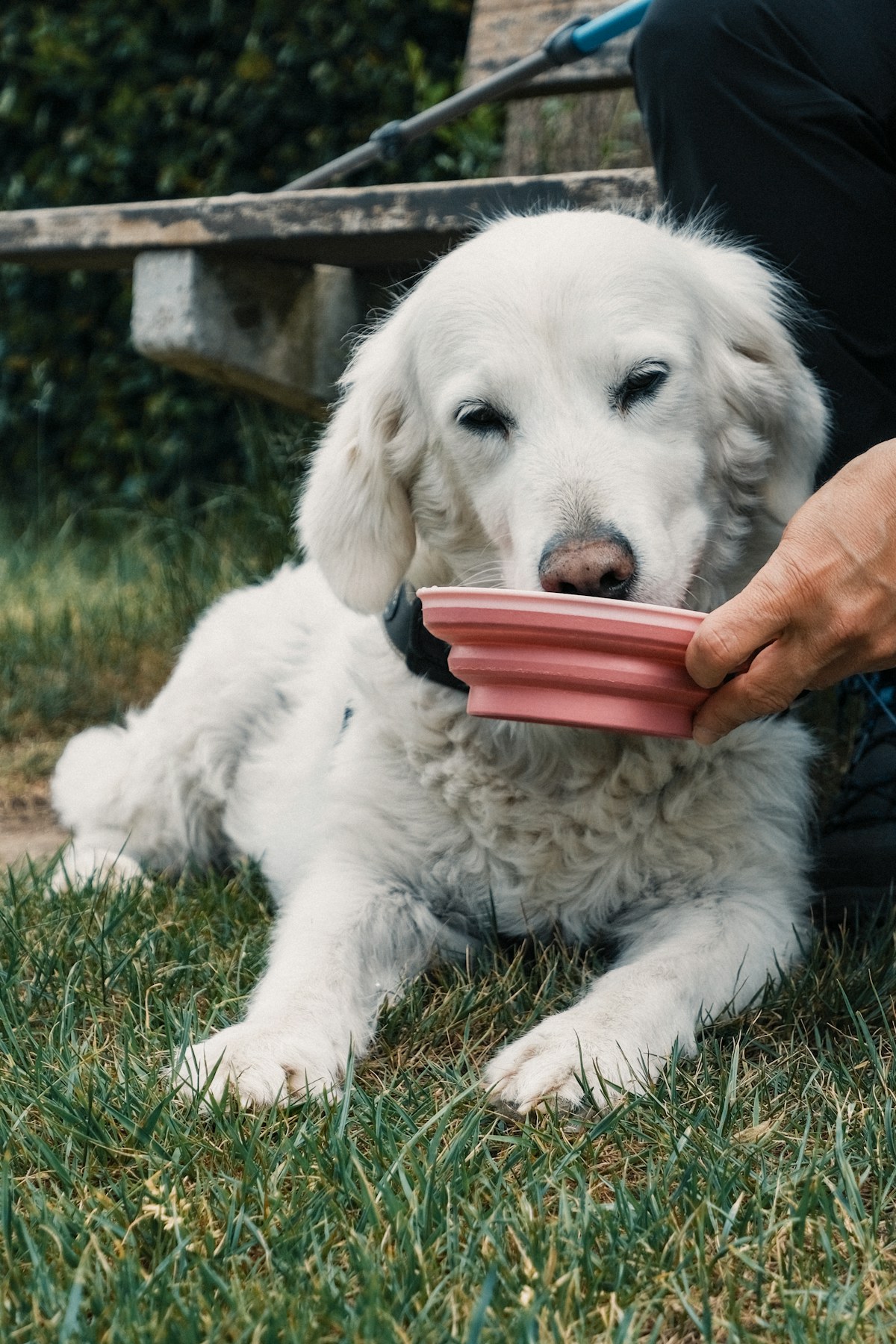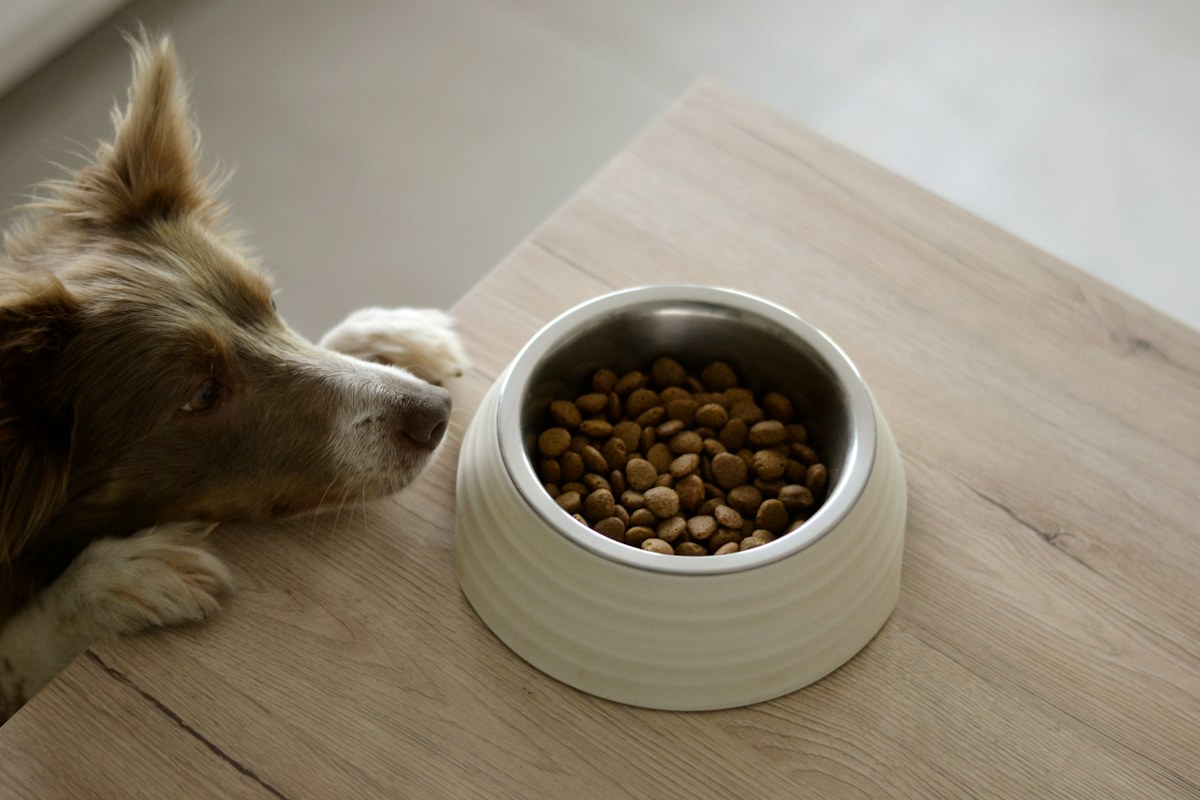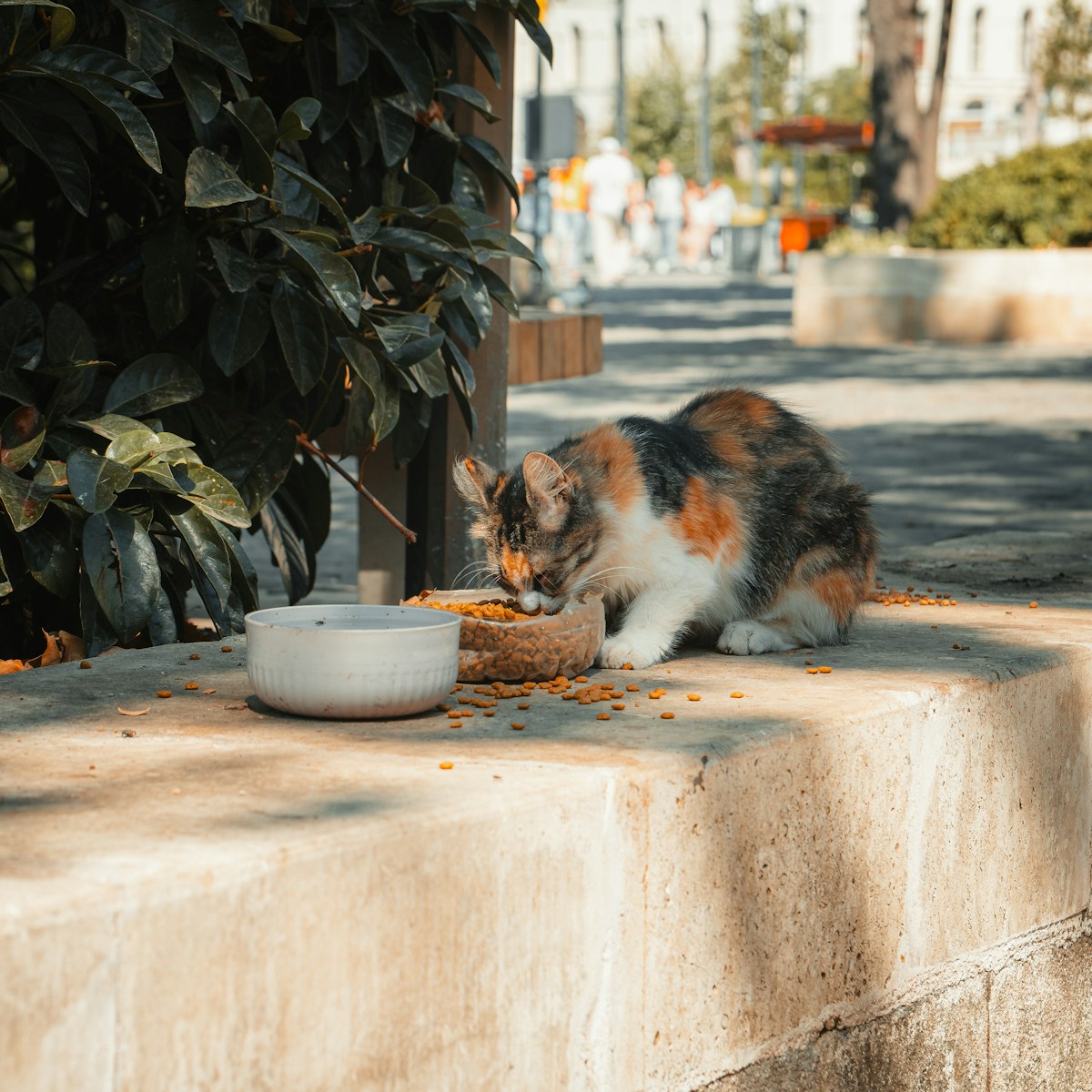
Decide whether the meal belongs outside
An outdoor meal can make sense if your cat already uses a secure, supervised patio and takes part of its routine there. It can be pleasant to set a dish near the spot where the cat usually sits and eat your own breakfast nearby. The question is what happens between putting the dish down and bringing it back in. An open porch, a shared garden and a protected enclosure all have different visitors. A bowl that is easy to place outside is also easy for another animal to approach. Keep the cat's ordinary indoor station available and use it when the outdoor space is too busy or difficult to supervise.
Look at the enclosure when the cat is elsewhere. Check the latch, floor and the areas next to doors and corners. A dish near a gate can bring the cat to the spot it is easiest to get past a person. Move the bowl away from any opening used for access. Ask where someone will stand while you carry food, and where the cat can go after it finishes. A good meal position leaves space for the cat to move without passing the gate or another animal.
Give the outside station a simple purpose. Perhaps it works for a short supervised morning meal on days when the patio is quiet. It may work at a different time when the sun moves off the floor or a neighbor's dog goes inside. Leave the normal routine in place when the conditions do not fit. Changing the timing or location should make the meal easier for both of you to manage.
Pick a spot that stays usable from start to finish
Start with shade that will last through the time the dish is out. An awning may cover the bowl when you sit down, then leave it exposed a few minutes later. Watch where the light falls on the surface. Stay away from hot areas, drops from a gutter and places where wind blows leaves across the floor. If the surface is rough or uneven, use a stable washable tray. Set it flat and check that the bowl cannot tip when the cat leans toward the rim.
Put the bowl a little away from the places people move. A folding chair beside the dish can shift as someone sits down, and a tray by a railing may leave the cat facing a corner. An open area beside a solid wall can give the cat a clear view and more than one way to step back. On a covered porch, the sheltered side of a table may work if nobody will move the table while the cat eats. Give yourself room to reach the bowl without leaning over the cat.
Check the floor before each meal. Sweep away leaves and loose material when needed. Avoid serving beside a plant that drops into the dish or in an area recently treated with garden or cleaning products. Keep the bowl away from grills, potting supplies and items you would not want the cat to investigate. A corner that works on a quiet morning can be full of different smells and debris after someone has been gardening. In that case use the indoor station and reset the patio later.
Try the empty dish in its proposed place while you open and close the door. Check whether you can set it down from a normal standing position, then pick it up with one hand while the other remains free. A long reach around a planter can tip a full dish and make a mess at the very start of the meal.
Carry out the portion you intend to serve
Prepare the usual portion indoors with the same dish and measure you use for the regular routine. Carry the dish out shortly before serving rather than taking the entire bag or container onto the patio. Keep the package and its storage instructions inside. If the food needs refrigeration after opening, follow the package directions and put away the rest before taking the meal outside. Keeping preparation indoors makes it easier to notice which portion is for the cat and where the remaining food belongs.
Set the bowl down when you can stay nearby and bring it back promptly. The amount of time food can safely sit out depends on what you are serving and its handling directions. Wind, heat, insects and animals can shorten the useful time outside even if the dish has barely been touched. Remove the bowl when the cat walks away, or sooner if anything lands in it. Avoid topping up a dish that has been sitting outdoors. A clean bowl with a fresh portion is simpler to check.
Keep fresh water accessible. If you put out a water bowl, place it on a stable surface far enough from the food that spills or crumbs from one bowl do not make a mess around the other. Check the water after someone sweeps or if plants drop material into it. When you take the food bowl inside, decide whether the water bowl can remain clean and accessible while the cat is still in the enclosed area. Bring it in when you finish using the space and keep the regular indoor water station available.
Watch the room around the cat
An outdoor station gives you a view of what happens beyond the dish. An animal may move along the outside of the enclosure or look through a railing. A cat that lifts its head repeatedly or leaves the bowl when something passes may do better with its meal indoors. Try shifting the bowl away from the exposed side of the enclosure, if the cat can still approach it easily, and observe again on an ordinary day. A different place or time can be more effective than expecting the cat to get used to being watched while eating.
When several household pets have access to the patio, choose which one uses the space at mealtime. A dog that follows a food dish across the threshold can make an otherwise calm routine feel crowded. Keep the dog in its usual separate place while the cat is served, then pick up the bowl before opening the shared route. If two cats eat together comfortably, give each a clear place to approach and a way to leave. Use separate rooms if one tends to wait for the other's dish or block its route out.
Avoid setting a bowl outside to draw an indoor cat toward an open door. Let it use the outdoor area only under the secure arrangement you already have. A cat may choose to stay inside when the patio sounds different that day. Put the food at the ordinary indoor station and let the outside area return to being a place the cat can explore when the conditions are right. Keeping a familiar indoor routine gives you an easy alternative when weather or activity changes.
Leave nothing behind at the end of the meal
Bring the bowl back inside after use. Wash and rinse it before the next meal, and clean the tray or the spot underneath if there were crumbs or drips. Check around furniture legs and along the edges of mats. A small amount of food can fall out of sight when a cat eats from the side of a dish. Picking it up promptly reduces the chance that insects or other animals will find it later. If an outdoor storage shelf keeps the empty tray handy, clean and dry the tray before putting it there.
Notice what happens when you lift the bowl. If the cat is still beside it, let it move away or give it time to finish. If opening the enclosure to take the dish inside would make the cat pass the gate, first wait until you can manage both the cat and the door. A spare place to put the bowl inside the enclosure can free your hand for the latch. Keep that surface clear of objects you will have to rearrange while the door is open.
Write down the plan if someone else feeds the cat. Say which space is secure, when you use it and what makes you switch to the indoor station. Include where the dish is washed and where the tray goes. The simplest rule for a helper is usually to use the indoor spot unless the cat's usual outdoor conditions are clearly in place. They can follow the normal meal without having to assess weather, visitors and hardware in a setting they use less often.
Let the next meal settle the question
After you try the setup, look at the practical details. Did you have room to put the dish down? Could the cat finish without stopping to watch the edge of the enclosure? Could you lift the bowl before wind, insects or another animal reached it? If the trouble came from one movable object, make that change and try again on another quiet day. If the whole space becomes busy as soon as you open the door, keep the meal indoors and use the patio for supervised time without food.
A convenient outside meal can be a small variation on the cat's usual routine. It should leave you with a clean dish, a clear threshold and a cat that can go back inside when it is ready. If those things are straightforward on some days and difficult on others, choose the days that make it straightforward. The indoor station stays available whenever the patio conditions change.