Choose a spot the cat can leave
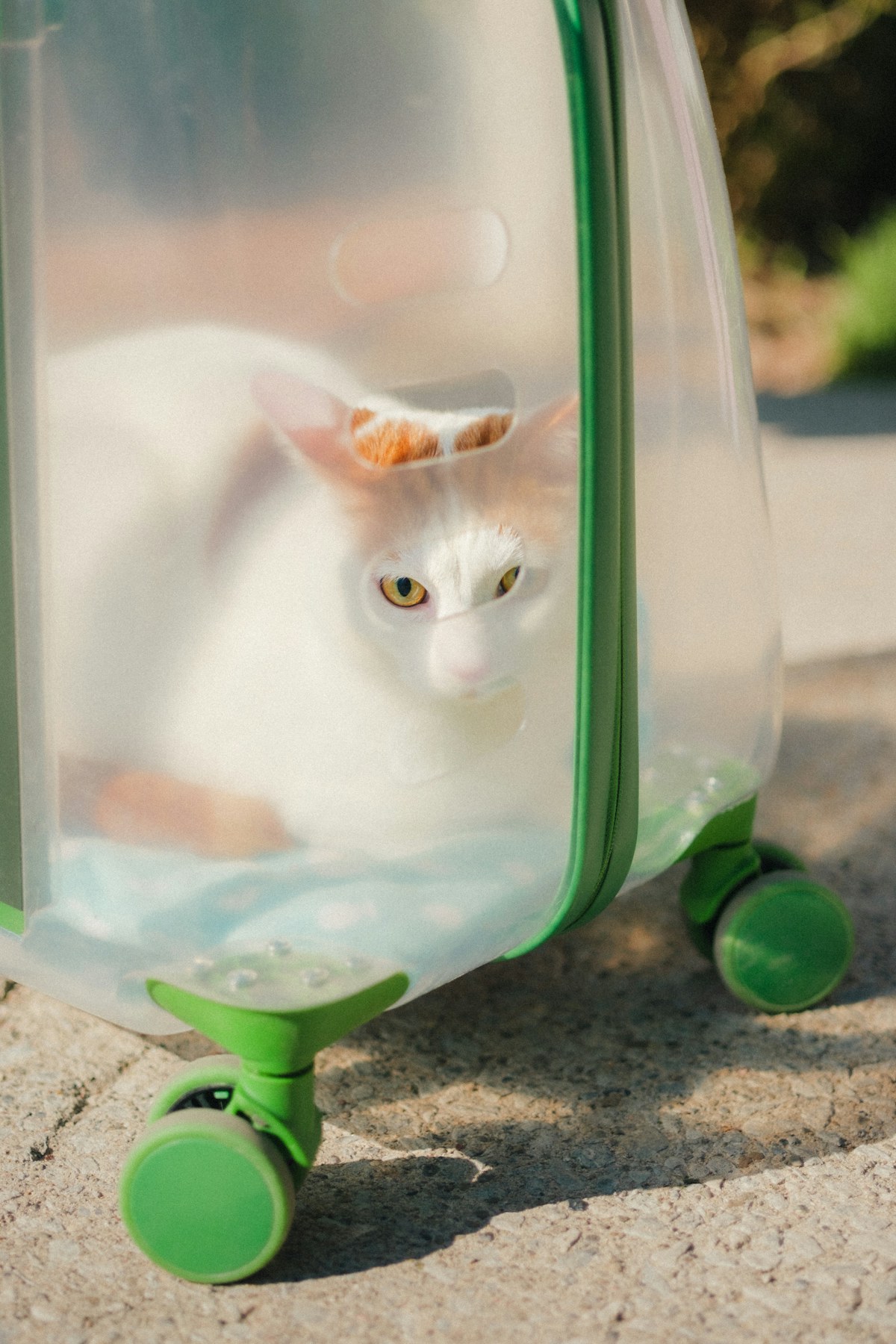
A carrier pulled from a high cupboard five minutes before an appointment can make a remarkable amount of noise. The cupboard bangs, a latch rattles, and the person who usually moves slowly around the room starts looking behind the sofa. Leaving the carrier out changes the start of that sequence. The object can sit in an ordinary room on an ordinary day, without anything happening after the cat walks past it.
Choose a place near a route the cat already uses, with room in front for a full turn. A corner between a wall and a heavy chair looks out of the way to a person, but it can leave a cat facing straight into a dead end. A position alongside the wall, with the opening turned a little toward the center of the room, gives the cat several directions to go after stepping out. For a cat that rarely crosses an open floor, position the opening near the edge of familiar furniture without wedging the carrier behind it.
A quiet bedroom can work, as can the calm end of a living room. Try a position that stays clear of feet, the vacuum, a heater and direct sun. Use the floor or another low, broad surface where the carrier cannot rock or slide. The cat should be able to get into and out of the opening without a leap. If a second pet regularly investigates whatever sits on the floor, choose a room where the cat can spend some time with the carrier undisturbed.
Make the entrance predictable
A hard carrier with a detachable door can sit with the door removed if the design allows it. Keep its door and attachments together somewhere easy to find, because the trip itself still requires a complete, securely assembled carrier. If you leave the door attached, secure it in an open position so it will stay there when the cat brushes past. A flap that falls against a cat's shoulder can undo the value of an otherwise quiet location. Follow the carrier instructions when removing or securing any part.
With a soft carrier, check the lip of the opening and the position of any folded panel. A side that collapses toward the opening changes the shape of the entrance with every step. Open and secure the panel as its design allows, then press on the floor of the empty carrier with your hand to see what moves. If the carrier slides on tile, choose a flat, grippy surface or a stable nonslip mat. Make sure loose straps are out of reach while the carrier sits open in the room.
A small washable towel can give the cat a familiar surface inside and make the floor quieter. A bulky blanket that curls over the entrance takes up space, and loose folds may shift underfoot. A piece that lies flat is easier to step across. Leave air openings clear. If a carrier is newly bought or smells of storage, give it time to air out in a clean place before putting it down. A familiar scent in the room is enough to start with. There is no need to add a strong fragrance.
Observe where the cat pauses
On the first few occasions, let the cat go about its usual business. A sniff at the outside panel or a glance from a favorite chair is information about where the cat currently feels comfortable. If the animal approaches while you are in the room, stay where you are and let it leave on its own. Walking over at the moment a head goes through the opening makes your movement part of the experience. You can learn more by looking up a little later and noticing whether the cat is still there.
When the cat starts passing the carrier readily, put a small reward on the familiar side of its route, if a reward is appropriate for that animal. Over separate opportunities, place it a little nearer the entrance and then near the lip. A cat that takes something and backs straight out has still chosen to come close. Leave a clear route behind it. If the reward sits deep inside while the cat stretches forward with all four feet outside, move it back toward the opening for the next attempt.
Some cats step in sooner if the room is quiet and people have something else to do. Others prefer to investigate after dark. You can leave the carrier in place between sessions, but pick up food rewards promptly and keep the surface clean. Check for changes that have nothing to do with the carrier. A new floor mat, a barking dog across the hall or the sound of a boiler coming on can explain why yesterday's approach suddenly stops several feet short.
Let the door be its own step
Once the cat enters comfortably and comes out again without hesitation, introduce movement of the door while the carrier is empty. Move it a short distance and return it to the open position. Check which part makes noise. On one model the latch clicks, while on another the metal hinges rub against the frame. Knowing where the sound comes from helps you handle it steadily. Keep hands away from the opening while a cat is deciding whether to investigate.
With the cat comfortable inside, a later step might be moving the door partway and opening it again without latching it. Let the cat out whenever it wants to leave. If the cat stays relaxed across several short sessions, a brief closure followed immediately by reopening can come later. Change one thing at a time. A shut door, a sudden lift and a walk to the hall are three different events, and they do not need to happen in the same practice session.
When the door is closed and properly secured, handling can start with a moment of contact while the base stays on the floor. Once that is easy, try a brief, level lift using the carrier as directed, then set it back down carefully. An empty practice run can reveal whether the handle twists or where a door frame catches an elbow. The towel and any removable liner should remain steady when the carrier tips slightly as you pick it up. For practice, the cat gets the chance to come out again when the carrier is resting securely.
Plan how the room changes on trip day
Before you bring the cat to the carrier, clear the short route from the room to the exit. Move shoes that would force a sidestep, open interior doors as needed, and check what you are carrying besides the cat. A bag over the shoulder can swing into the carrier on stairs. If someone else is helping, give them the doors or bags while you carry the carrier. The walk can stay direct even if the car is parked farther away than usual.
Check the carrier's assembly, including its base, door, fasteners, handles and any zip closures, before the cat goes in. If the carrier has a separate top, confirm that all attachment points are engaged. Choose a carrier appropriate for the cat's size and the mode of travel. Keep its ventilation clear while transporting it and follow the manufacturer's instructions for securing it in a vehicle. A carrier that served as a bedroom den all week still needs these checks before it leaves the house.
Once the cat is in and the carrier is secure, keep the door closed anywhere the cat could get loose. At the destination, set the carrier down on a stable surface and ask where it is safe to open it. The lobby, the car park and the inside of a moving vehicle are poor places to test whether the cat wants a little more space. On returning home, put the carrier down in a closed, quiet room and give the cat room to exit by itself when it is safe to open the door.
Fit the setup to a small or busy home
In a one-room apartment, the carrier can sit along a short wall beside a chair or under a sturdy console if the opening and ventilation stay clear. Keep enough room in front to remove the carrier without dragging it past the cat. If the proposed spot would get kicked each time someone reaches for a coat, swap the location with a basket that is easier to move. A carrier tucked away so far that it needs to be hauled out before every use defeats much of the purpose of leaving it in the room.
In a home with a lively dog, use a separate room during the cat's practice time. Positioning the carrier higher may keep it out of a dog's reach, but lifting a loaded carrier down from furniture introduces its own difficulty. A closed room and a stable floor are usually simpler. In a home with several cats, watch for one animal waiting outside the opening while another is inside. Separate opportunities may give each animal a chance to enter and leave without a second cat standing in the way.
When an appointment is soon, use the time available to set up the room and make the route easier. If the cat is distressed by handling or cannot be loaded safely, contact the veterinary team in advance for an individual plan. Avoid treating a real deadline as a practice session that has to run through every step. After the trip, return the clean, dry carrier to the place where the cat usually passes it, and let normal room activity carry on around it.