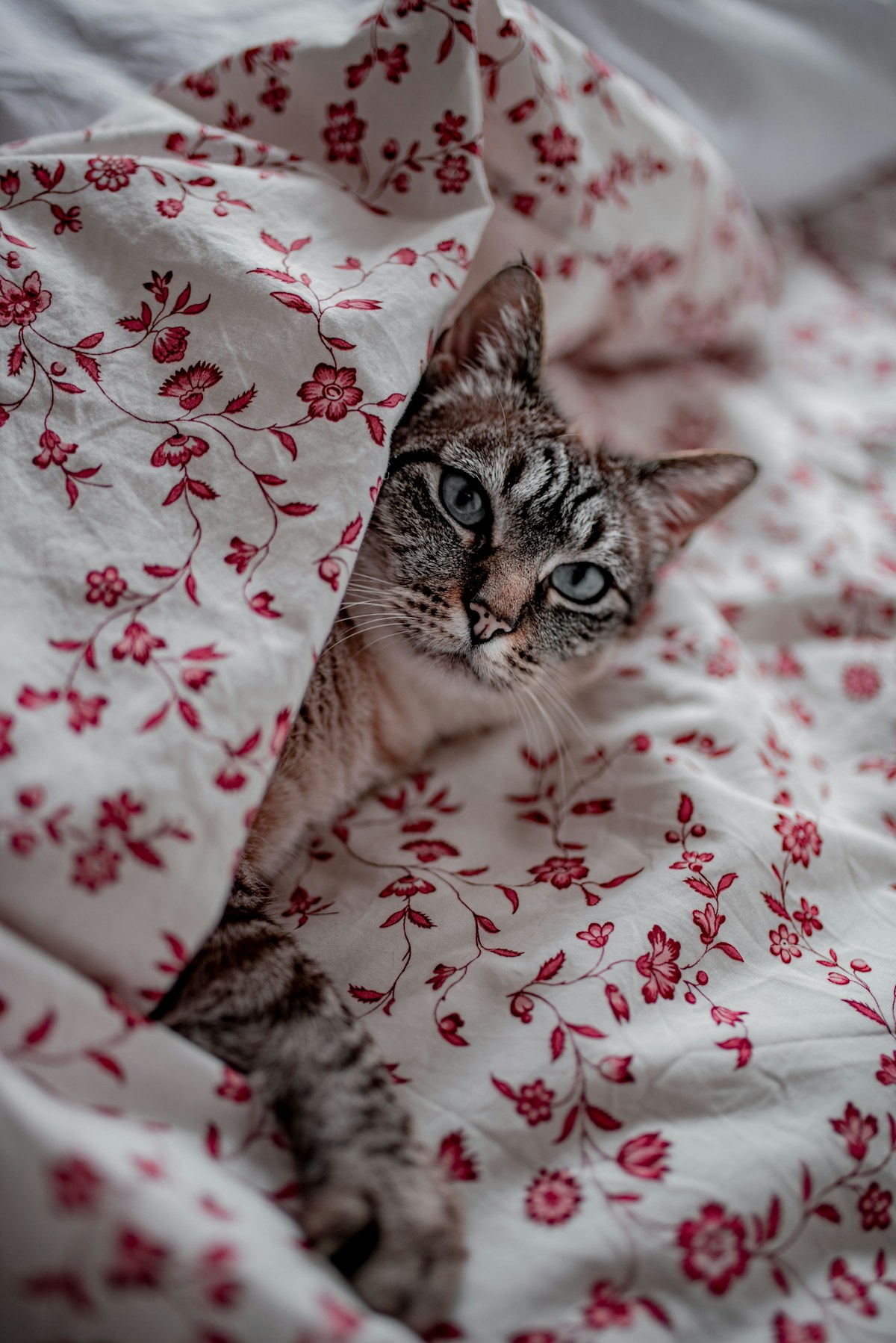
A toy that darts across the living room can be in the wrong place for a cat to chase it. It may disappear behind a pile of shoes, pass so close to the cat that there is no time to look, or skid across a floor with little grip. The same toy dragged slowly along the edge of a rug can give the cat a moment to watch and a clear route to follow. The difference is often where and how it moves. Start there if there is a basket of cat toys in the room and none seems to get a second look.
A supervised wand game gives you control of distance, pace and the finish. You can let the toy pause, bring it into view from behind a safe edge and leave it close enough to catch. A game can be over in a few minutes. In that time the cat might watch from the sofa, follow the toy on the floor and catch it once. That sequence is a better guide to your next game than the number of minutes on the clock.
Use a small stretch of floor you can see
Clear a lane between two places you can reach easily from one position. It might run from the edge of a sofa to the front of a broad rug. Take away small objects that could come loose, break or be swallowed. Move the dangling bag handles and make sure the toy cannot pass under a heavy cabinet where you would have to pull it out. An open lane gives the cat a chance to stop or turn without hitting anything. It also gives you time to see whether the cat is coming from the side or waiting for the toy to appear.
A chair or a low cardboard edge can provide cover for the toy without hiding the cat from you. Try one low obstacle where the end of the toy can appear and disappear in the same place. The cat should be able to go around it. Avoid using doorways where people may walk in without seeing the game. If the cat normally watches from a chair, start where they can see the toy from that seat and reach the floor by a familiar route. A cat can join a game at floor level without having to jump or turn sharply.
Choose the toy before starting and look at all of it, including the attachment point. Use a toy made for cats and remove it if stitching separates, pieces loosen or the cord is frayed. Keep the cord away from the cat's neck and feet. A loop that is difficult to see against a patterned carpet can become a problem when the pace changes. Stay in the room and pay attention throughout the game. Store wand toys and loose strings where the cat cannot reach them after play. A closed drawer can work better than a tall shelf if a cat regularly visits the shelf.
Make the toy go somewhere
Put the end of the toy down at the edge of the cat's view and give it a small movement away from them. Follow that with a pause. A cat may turn their ears or head without moving any farther, and that look can be the first part of the game. If the toy swings back toward their face every time they watch it, they may move away or have to swat defensively. A motion away leaves them the option of following. Let the first few movements be slow enough that you can see whether the cat is paying attention.
Change the pace once the cat starts to follow. A short shuffle along the rug followed by a pause can be enough. Let the end of the toy remain visible for a second or two before pulling it behind the edge. If the cat turns away, give it another quiet chance to appear later. A long series of fast passes can be difficult to follow. One well placed movement gives the cat a single direction to look and decide whether to go. Pay attention to which speed draws a step forward as well as which one gets a glance.
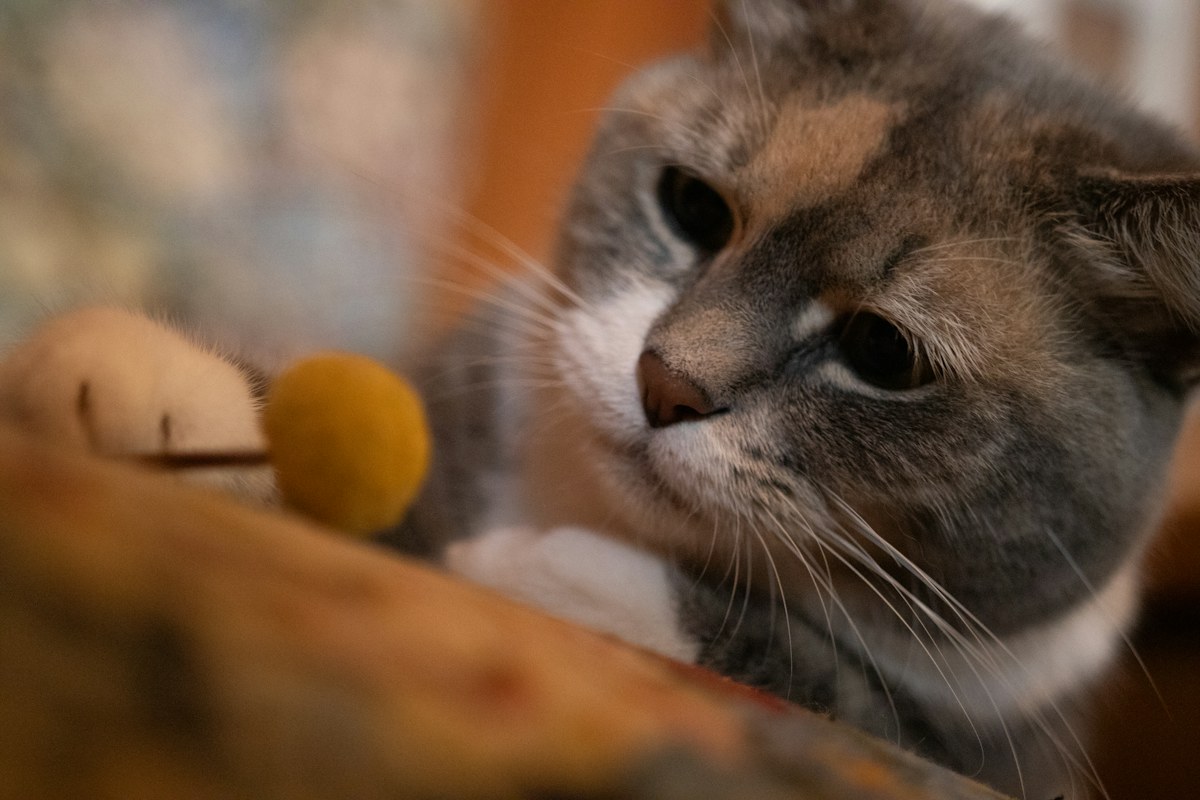
When the cat gets close, leave the toy where they can touch it. A constant retreat can keep the game going for a few seconds but remove the moment when the cat gets to do something with the target. Let the cat pin or catch the toy without tugging back. If they have grabbed the cord or started to chew a piece that could come loose, stop the motion and retrieve the toy safely when you can. If they keep returning to the string itself, end the wand game and try a cat-safe toy that does not have a string next time.
Adapt the movement to the cat in front of you
A cat who crouches low and watches a long time may be paying close attention. Try making the next change small. Move the toy a short distance across a clear area and stop where it can still be seen. A cat that runs at the first movement might do well with a slightly longer path and an early chance to catch. Watch where they slow down. If they consistently brake where the rug ends, make that boundary part of the game and keep the action on the surface where they have grip.
Some cats prefer an object close to the ground. Others follow a toy across a low surface and wait for it to drop to the floor. You can test this without sending a cat up a tall shelf or across a gap. Use one deliberate motion low enough to reach from a standing position. If your cat appears stiff or hesitant, keep the toy on one level with easy turns. A sudden change in how a cat moves or plays is a reason to ask a veterinarian for guidance. There is plenty to learn from floor play without asking the cat to repeat a jump.
People often expect a new toy to work on its first outing. The cat may need to see it move in a way that resembles something they already follow. If your cat tracks a crumpled paper ball but ignores a new wand, try a low, short move across the same stretch of rug where the ball normally goes. If they like the toy at first and leave quickly, put it away and try again at a different time. There is no need to keep moving it while they are doing something else. A short session can be repeated more easily than a long one that outlasted the cat's interest.
End the game with a clear chance to catch
When it is time to stop, slow the toy down and let it stay where the cat can reach it. Wait for the cat to release it before putting it away. If the cat has already walked off, leave the lane clear and tidy up without trying to draw them back for a finish. Set the toy in its storage spot while you remember, especially when the cord could get caught in a drawer left open. A cat who wants to sit for a while should have a place to do so without someone shaking the toy again.
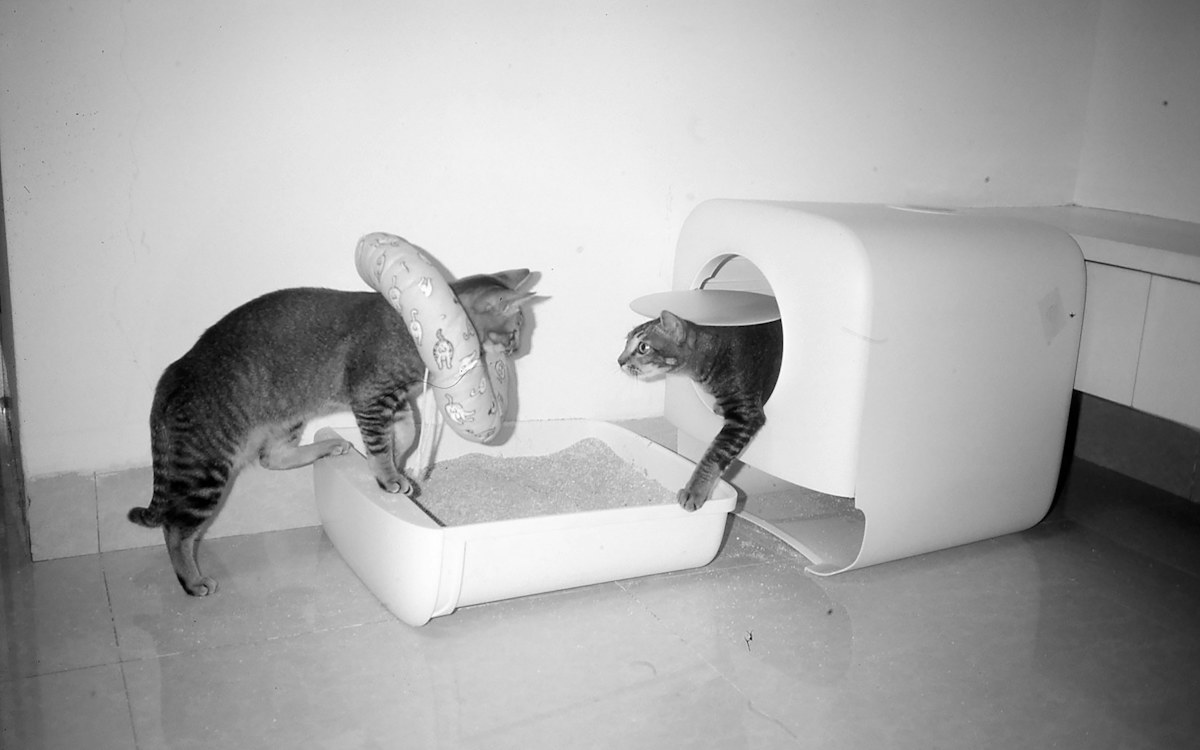
In a home with two cats, watch whether one tends to arrive first and take over the lane. The second might watch from a chair and never have a clear path. Give each cat a separate opportunity if the first cat's pace takes over. This can be as simple as playing in different rooms at different moments. Avoid making a cat leave a favorite resting place to create the separation. Set up the game where the quieter cat already has room to approach, while the more energetic cat is happily occupied elsewhere.
If several people play with the same cat, leave a short note about where the toy is kept and what movement worked. “Slow on the rug, with pauses beside the sofa” is easier to repeat than a long set of instructions. A child can watch an adult play first and learn how to stop while the cat still has room to move. Keep the toy away from hands and feet so that the target stays clear. The best family version is one everybody can end safely in a few seconds when somebody needs the room.
Keep what the cat keeps choosing
Try the same small game on a few ordinary days. Observe what changes when the cat is already awake, has just settled or is watching activity elsewhere. If the toy gets a look but no approach, try beginning farther from the cat or making the first movement slower. If the room gets busy at that hour, find a different time. One play space can work beautifully when there is little traffic and poorly when someone is making trips from the kitchen. The cat's route matters more than the calendar.
Leave a few easy alternatives for days when a wand game does not fit. A sturdy rolling cat toy may work in a short stretch of floor, and a toy the cat can bat and catch without your help can suit an independent player. Rotate a small set rather than spreading the entire basket across the room. Check each toy for damage before it comes back into use. A familiar toy may become interesting again after a few days out of sight. The room can stay uncluttered while the cat gets a choice of activities.
The next time the cat watches the edge of the rug, move the toy once and wait. Sometimes that is enough to start. The lane, the pace and the catch are the parts you can control. Once the cat has a clear view and an easy way to join, the rest can happen on their schedule.