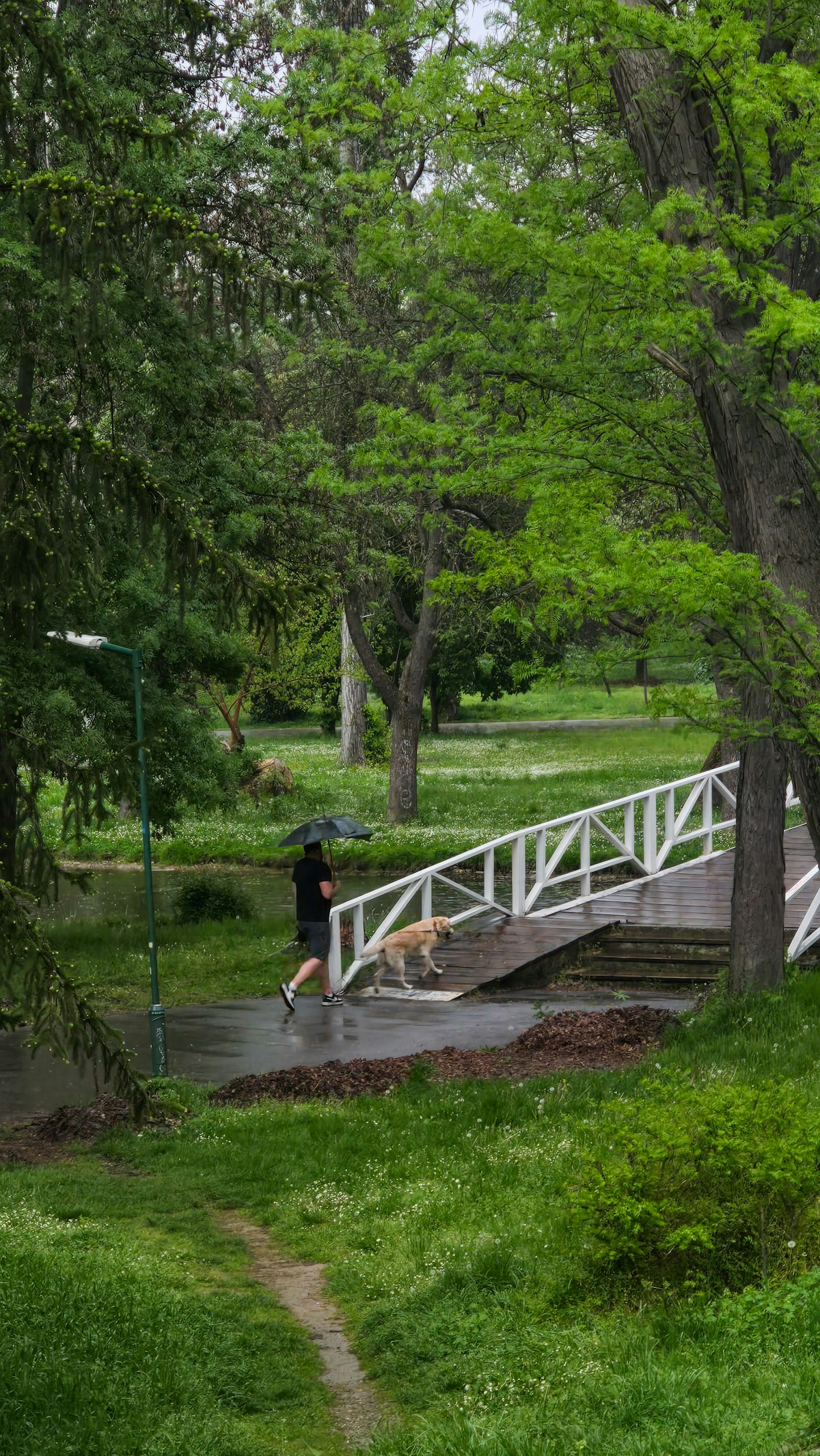
The wettest part of a rainy dog walk can be the first minute back inside. You are trying to close the door, keep the lead in one hand, find the towel and stop the umbrella from dripping over the floor. The dog may shake before any of those things is in place. A laundry basket by the door can help with one problem and create another if damp items sit in it for hours. The best small change is to think of the entry as a place where equipment passes through. Give the wet things one reachable stop and give the dry things somewhere else to wait for the next outing.
Start with a list you can make while standing at the door. What arrives wet? What has to stay attached until the door is fully closed? What will somebody need again before it is dry? A wet harness and a damp towel are different problems. One needs to be inspected and dried before it can be used again. The other can go straight to the laundry if you have a spare. Once you have made that distinction, the entry no longer has to store everything that belongs to the dog.
Set up the return before leaving
Put a dry towel within reach of the place where you first stop indoors. A towel you can take with one hand is easier to use than one buried beneath a stack. Keep it away from a swinging door and anything the dog can grab while you are occupied. If the towel usually disappears into a bathroom or cleaning cupboard, put the spare near the door before the walk. You will know it is there when you return, and nobody will have to cross the wet floor to find it.
Lay down a mat with a surface and backing that suit the floor. The useful mat stays put under a dog turning around and does not catch the edge of a door. Check what happens with wet shoes on it. A rug that seems steady when you push it with a hand can slide when someone steps on a damp edge. Choose a place where it can be lifted to dry. An absorbent mat left over a wet floor can hold moisture underneath, so think about how you will lift or hang it before choosing a size.
Give the leash clip and the door their own sequence. Bring the dog fully inside, close the exterior door, then deal with the equipment. If other household members will arrive soon, choose a point farther from the door where the dog can wait with room to move. A small entry with a second internal door may make it easier to manage the first few moments. The location matters more than having a fixed command that everybody must remember. You need a spot where someone can safely turn their attention from the entrance to the wet gear.
Give each wet thing its next stop
Use a hook or rail for gear that needs air around it. If the lead, coat and harness all hang on one peg, the inner item may stay damp even if the top one feels dry. A little space between items lets you see where water is still collecting. Choose a rail appropriate for the weight and mount it according to its instructions. A freestanding rack needs to remain stable when a wet item is pulled from one side. Keep long loops out of walking routes and away from a dog that might grab them.
Look underneath the hanging place. If an item drips, set it over an easy-to-clean tray on a surface where it cannot be knocked down or stepped into. Pick a tray you can empty and wipe instead of leaving it to collect water. A shallow tray beside the wall may work in a broad entrance. In a narrow passage, the wet equipment might do better in a utility area after its first stop on the mat. There is little reason to hang every damp thing right by the door if the hallway is the only route between rooms.
Follow the care directions for your dog's gear. Knock or rinse off mud as appropriate for the material, and check stitching, straps, clips and closures when you handle them. A piece of grit can make a buckle awkward to fasten. It is easier to deal with it while the lead is off the dog and there is time to look. Let equipment dry as directed before storing it in a closed bin. If you use a spare harness or lead, make sure the replacement is suitable and adjusted before the next outing. Keep the dry spare in a place where a dripping coat won't land on it.
Make drying off as brief as the dog needs
Start with the part of the dog you can reach comfortably. A dog who comes indoors ready to move may be willing to stand on the mat for a few gentle passes of a towel. Another may prefer to shake and settle before being touched. Leave room to step away. You can remove surface water without rubbing every foot or trying to make the coat fully dry in the entry. For feet, gentle blotting is often easier to organize than lifting one leg after another on a slippery floor.
If your dog already pauses for a familiar cue, use it while the door is shut and the floor is secure. On a calm, dry day you can practice stepping onto the mat and leaving it again. A quick session helps you see where the dog is comfortable standing before the noise of rain and the pressure of an arriving visitor are added. If the dog backs off when they see a towel, let them go. You can change where you hold it or how long you touch with it at a quieter time. For new sensitivity or discomfort, seek veterinary advice instead of working through it in the hallway.
Keep a clean towel and a used one easy to distinguish. A different color or a different rail is enough. Put a towel that is headed for washing somewhere it can be dealt with soon rather than packing it against clean laundry. If you have only one towel, decide where it can hang open between outings. The person returning from the late walk will benefit from the same simple arrangement as the person coming home first thing in the morning. They should be able to tell at a glance which towel is ready.
Plan for a second outing before the first coat dries
Think about the days when a dog needs two short trips close together. You may return during a break in the rain and go out again as soon as a delivery or meeting is over. A dry lead and a clean towel make that second trip easier, but they don't need to live in a special cabinet. Choose a hook or shelf above the wet area where they will stay dry. If the equipment needs time to dry according to its directions, a spare can let you take it out of rotation instead of wearing it again while still wet.
Wet weather can also change what you carry. A coat with deep pockets might mean you take fewer loose bags. An umbrella can make clipping a lead awkward if the clip needs both hands. Find a stable place for the umbrella before trying to do the other things. Empty pockets that are holding paper or keys and check that bags can be reached with dry fingers next time. Leave the items you will use on the next outing together. Put the rest away so the wet-day setup is ready without a search.
When other people walk the dog, agree on the location of the wet and dry items. A spare that nobody can find is not much help. One person may use the back door while another prefers the front. If both entrances see regular use, put a towel where it will be needed and keep the main drying place in whichever room has the right space. Carry the wet items there after the dog is settled. That is easier to repeat than moving the entire set of equipment from one entrance to the other each time.
See what the hallway tells you
After the next few rainy days, look for what stays wet and what gets moved. If the mat folds against the door, move it before choosing a larger one. If people leave the harness on a chair, the drying hook may be too far from where it comes off. If the towel is always in the wash when you need it, the missing piece is a second towel. Choose one correction based on what happens during the return. A system that has to be restored after every walk is probably asking too much of the space.
The entrance can remain small and ordinary. One safe place to stop, a towel you can reach and a place where wet equipment can dry will handle much of the work. Once the dog is indoors, the door is shut and the wet things have somewhere to go, the rest of the walk can end at its own pace. The next outing starts with a clear floor and equipment you already know where to find.