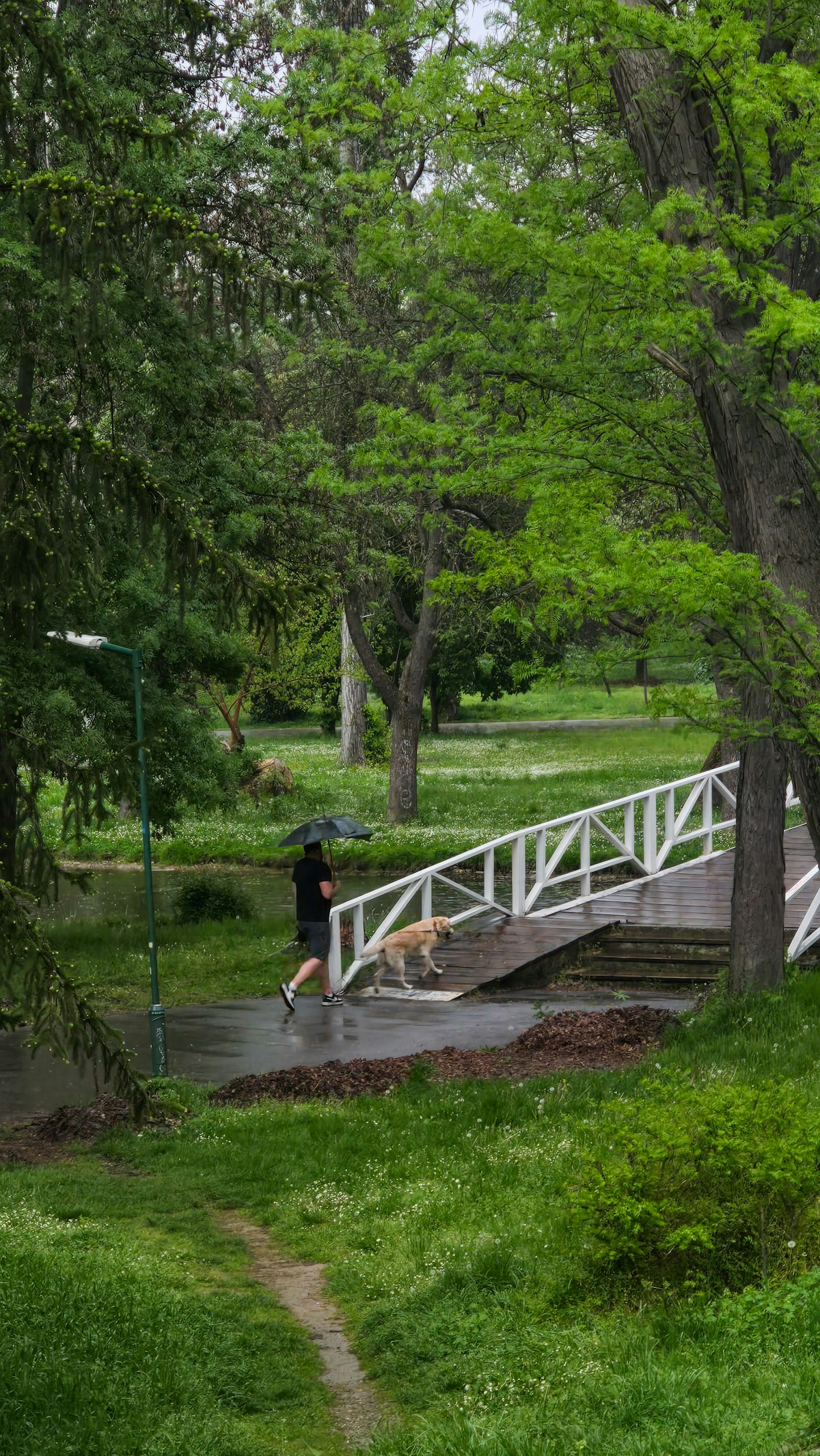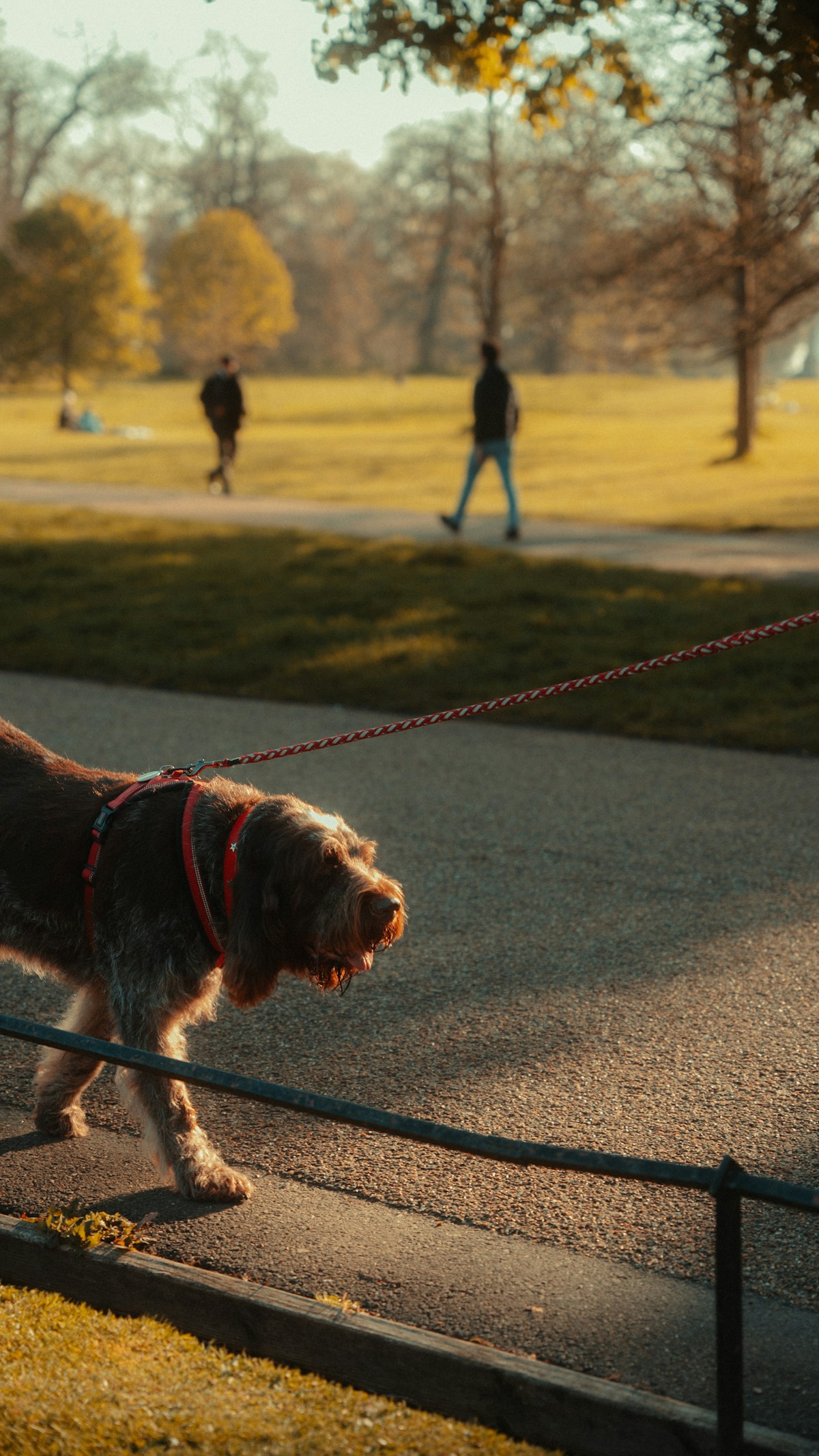
The first interesting patch on a neighborhood walk is often within sight of the front door. There might be a low hedge where several dogs passed before breakfast, the seam between two paving stones or the bottom of a post. With a route in mind, it is easy to treat the pause as an interruption. With a shorter destination in mind, that same pause can become part of the walk. A familiar block is a good place to try this because you already know where the sidewalk narrows, where a driveway opens without warning and which corner can be skipped.
Start with a walk you can afford to cut short. That means picking a time when you can get home early without feeling cheated out of an outing or late for something else. There is no required pace, distance or amount of sniffing. The point is to learn which parts of this ordinary route your dog uses willingly and how you can help the two of you move through the rest.
Make space for a decision close to home
Before opening the door, put the things you need in pockets you can actually reach. If you usually carry a phone, keys and bags in your leash hand, move some of them. At the threshold, look for people, dogs, delivery carts and other movement. An uneventful exit gives you more room to notice what your dog does next. A dog rushing from an apartment lobby into a busy sidewalk has few opportunities to choose where to stop.
Choose one short stretch where there is a buffer between the path and traffic. It might be the inside edge of a broad sidewalk or a path through a small park. A strip of grass beside moving cars is a poor place to experiment if your dog can reach the road. Use your normal secure walking equipment and keep the leash length appropriate to the surroundings. A little slack on an open path can leave room to explore. On a corner with a tight line of pedestrians, keeping your dog near you gives everybody more space.
The first decision can be as simple as whether to investigate the base of a tree or pass it. Stay close enough to prevent your dog reaching litter or something unsafe and pause on a side where others can pass. Let the investigation finish if the location allows it. A dog who raises their head and steps away has provided a clearer end point than a timer would. If the spot is directly in front of a gate or is close to the roadway, give a familiar cue and continue toward somewhere with more room.
Read a pause in its surroundings
Stillness can mean several things. A dog with a nose down who shifts their weight comfortably across a patch of ground may be occupied by the smell. A dog who suddenly stops with their head raised and their body fixed toward a distant dog is doing something different. It helps to notice the direction of attention and how easily your dog can turn before deciding whether to wait. Look around with them. The scrape of a bin coming out of a driveway may explain a pause that looked puzzling a moment earlier.
If your dog remains interested in a moving person or animal, increase distance early when there is room to do so. Walking an arc on a quiet path can create more space than standing beside the other party's likely route. On a narrow pavement, turning back to the previous driveway opening or crossing at a safe point can be more practical. If your dog cannot shift attention, put distance first. The aim of the route is to make it easier to move away before the encounter becomes crowded.
Also watch for environmental changes that affect your plans. A familiar school frontage at midday can feel very different at dismissal. On bin day the usual wide sidewalk may have only a narrow channel. After a warm afternoon, the shaded side may have more comfortable footing. There is no need to commit to the same direction each time. Find the last comfortable spot, choose the next step there and let the larger route remain flexible.
Have a way to pass a favorite patch
Some places are popular with dogs and inconvenient for everyone else. A lamppost at the entrance of a shop can be compelling even when the doorway is crowded. If you know this happens, decide on a place farther along the street before reaching it. Ask for movement early, when your dog can still hear you and there is space to walk. A familiar cue can make the change of direction more predictable. Continue until there is a clear edge and offer another chance to investigate there.
Practice the same small transition in an easy place when there is no urgency. Let your dog look at a quiet patch, then say the word you already use to move along and step toward a second patch a few paces away. Depending on what your dog enjoys and can take safely, the reward could be reaching the second spot or receiving a small treat once they turn with you. Keep your expectations modest. A transition practiced among two quiet trees is a start. It takes time and suitable conditions before the same cue is useful near a particularly busy distraction.
A person approaching with their own dog may expect the two to greet. You can call out that you are giving your dog some room and continue to a wider place. Avoid trapping yourself between the other dog and a wall while you wait. If a street reliably produces encounters you cannot avoid, it may be easier to take another street. Changing the route is a practical part of managing a walk and leaves more opportunities to practice with lower pressure.
Build a route with a short and a long return
Walk your usual route mentally and identify two ways to get back. A short return might be an out-and-back to a garden wall, a broad corner or the end of the nearest greenway. The longer version could include a second quiet street before returning. Start by imagining where you can turn safely, then consider the distance. A quiet loop on paper can have an awkward junction that makes the return harder than it looks. An out-and-back with a roomy turn can work better on busy days.
It helps if the first interesting stretch comes before the noisiest part. A dog who can take a few stops on a residential street can turn home without crossing an arterial road just to complete a planned circuit. A naturally quiet patch near the end of the walk also offers a place to change pace before coming inside. With two possible exits you can make a decision based on that day's conditions and avoid overcommitting when you have seen only the first few minutes.
Walk schedules change for people as well. When one person walks before work and another walks after dinner, they can agree on a few locations that consistently offer room. The rest of the route can be different. If two people describe a location very differently, compare the time of day, direction of travel and nearby activities before concluding that one walk went badly. The same curb can be calm when the shops are closed and crowded when people are lining up for lunch.
Keep a record you can use later
After the outing, try remembering one good pause and one awkward crossing. A useful note can be as short as “inside edge of the park at nine, relaxed” or “delivery vans blocked the pavement by the bakery.” The detail that helps is usually the location and the condition. A broad assessment such as “good walk” gives you less to work with when deciding where to go tomorrow. If more than one person walks the dog, a short shared note may be easier to keep up than a schedule with many boxes.
Notice patterns across several outings instead of judging every day by the same standard. If the dog often sniffs and moves on in one place but stalls facing the road in another, the first place may be useful for practicing a relaxed transition. The second may be a place to pass at a distance. If the pattern is new or your dog appears uncomfortable with ordinary movement, ask your veterinarian for guidance. Changes in mobility or behavior deserve attention without treating the walk as a test.
The flexible route can stay small. Some days it might be a trip to the grassy end of the block and back. On another day the longer return can add a different set of smells and a quieter approach home. There is no reason to put each section of the route on every outing. Once you have found two places with room to pause and a way around the busiest corner, you can spend less of the walk calculating what to do next. The same familiar block starts to offer more than one good outing. If a neighbor asks which way you are going, you may still be deciding. The easy place to pause is enough of a destination for now.