Separate the dog's day from the computer's day
A laptop can stay open from breakfast to the end of the afternoon, while the person using it feels as though they have only been at the desk for a short stretch. The dog has spent the same hours moving between the floor, a window and the doorway. Work breaks already happen, but they may be too short or scattered to match what the dog needs. Start with the times you normally get up. Then look at which of those times can give the dog a useful break instead of a hurried interruption.
Write down the parts of the dog's day that usually happen at roughly the same time. These might include a chance to go outside, a walk, a meal and a quiet period after lunch. Put those beside the work commitments you cannot easily move. You may find that the difficult hour is the one before a regular meeting. Setting up a break ten minutes earlier can be easier than trying to slip away during the call. A useful day plan leaves room for work that runs long without making the dog wait for an essential outing.
Use different lengths of break. A short trip outside may fit between two tasks. A longer walk needs its own space. A few minutes in a quiet room can also give the dog a break from hearing you speak into a headset. The same outing does not have to solve every part of the day. Think about what the dog needs at that point and choose the available version that actually offers it.
Put the first useful break before the busiest work
Find the first stretch of work that tends to continue longer than you expect. It may start with opening messages or joining the same meeting every morning. Before that stretch, give the dog the outing, water check or room change it would normally have around then. Keep its ordinary routine as close as practical. A dog that usually goes out soon after breakfast should not have to learn whether it will be taken out based on how long the first meeting lasts.
Set the lead and any outdoor supplies where you can reach them without searching. If several people are working from the same home, agree who handles the early trip. The rest of the household may assume that the person who sits closest to the door is watching the dog. Put the break on one calendar if that is what people look at, or make a simple agreement at breakfast. The person responsible should also know what to do when a meeting moves into that window.
Choose a small handoff to begin working again. Take off outdoor equipment where you usually do, refill water if needed, and leave the dog free to find a resting place. Sit down only after the routine is finished. That makes it easier to notice whether you are bringing wet gear or a favorite toy into a room where the dog should be able to settle. A few predictable actions can help both of you move from the outing to the next part of the day.
Keep the work room usable when the dog is there
If the dog spends time beside the desk, leave a clear route in and out. A rolling chair can cross the same floor the dog uses when it gets up. Put a bed or mat to one side, where you can see it without needing to look beneath the desk. Keep power cords, chargers and small objects out of reach, and check that the dog's ordinary resting place stays clear of heater airflow. Make sure the dog can leave when the chair or the door changes position.
A dog may prefer another room even when it often keeps you company. Leave that choice available if it is safe. If the door needs to stay closed during a call, decide whether the dog can be comfortably in the room with you for that period or would be better in a familiar area elsewhere. Check access to water and its usual rest spot. A closed door can protect a quiet meeting, but it can also remove the dog's usual way out of a noisy room.
Listen to your own work setup from the spot the dog uses. A speaker, microphone alert or other sound can be more noticeable close to the floor or beside the desk. Try using headphones where appropriate, or move the dog's bed farther from the speaker. If the dog regularly leaves when a call starts, give it a clear route to the other place it chooses. Working near you is an option. It does not have to be the dog's assigned activity for the whole day.
Plan a short version and a long version of lunch
On some days, a lunch break is long enough for a walk at the dog's normal pace. On another day it may only be enough for a brief outing and a refill of water. Decide in advance when you can give the dog the longer walk if lunch is short. It might be after an early meeting or before the next block of work starts. A change on the calendar is easier to make before you are already halfway through the time you planned to spend outside.
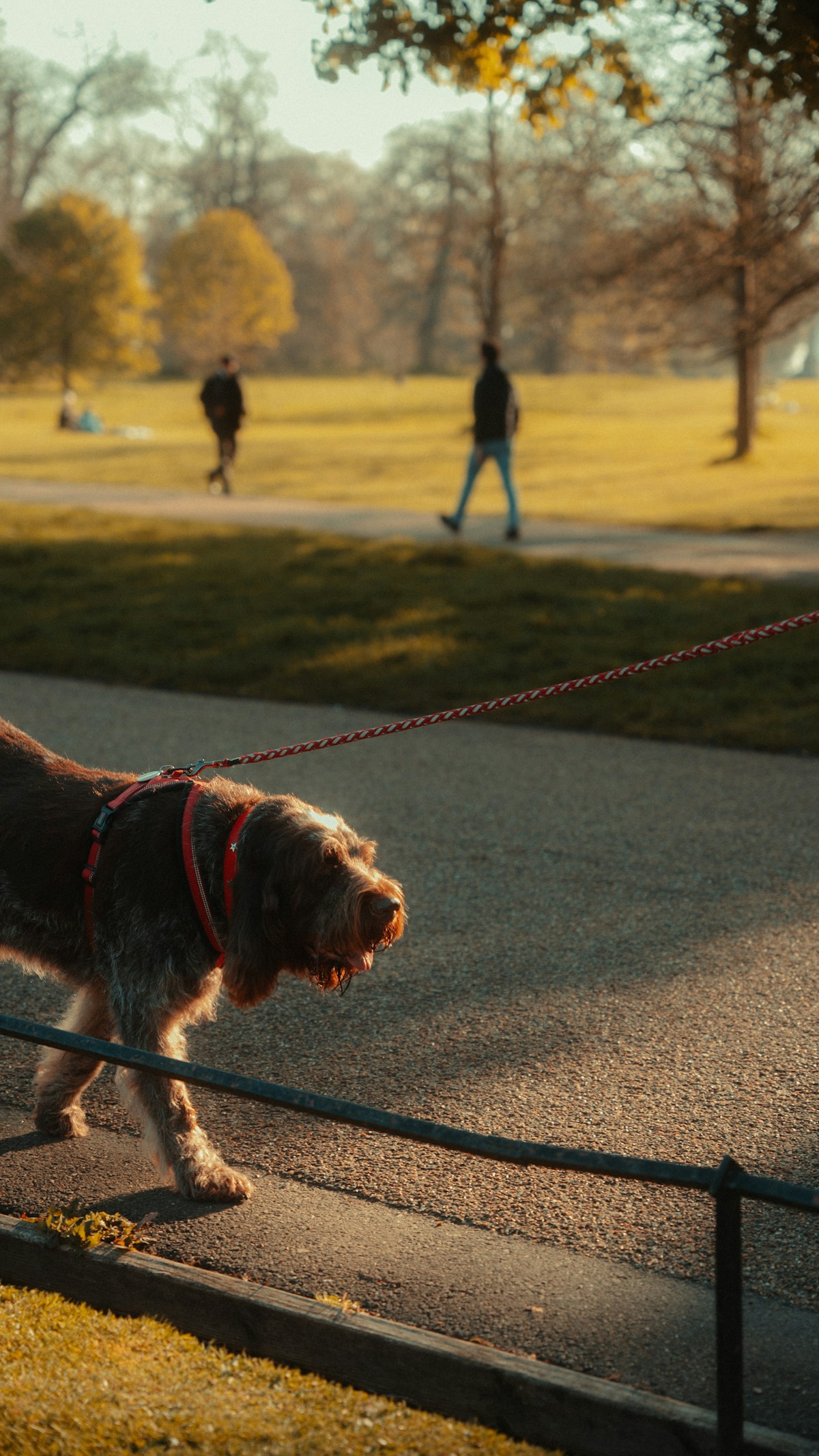
Use a nearby route for short trips if it is safe and appropriate. Choose a place where the dog can pause rather than turning every minute into a march. Keep the longer route for a period when you can wait at a crossing or let the dog investigate something without watching the clock. Some dogs benefit from more or less activity than others, depending on the animal and conditions. Adapt the plan to your dog's usual needs and ask a veterinarian for individual advice if you have concerns about activity or comfort.
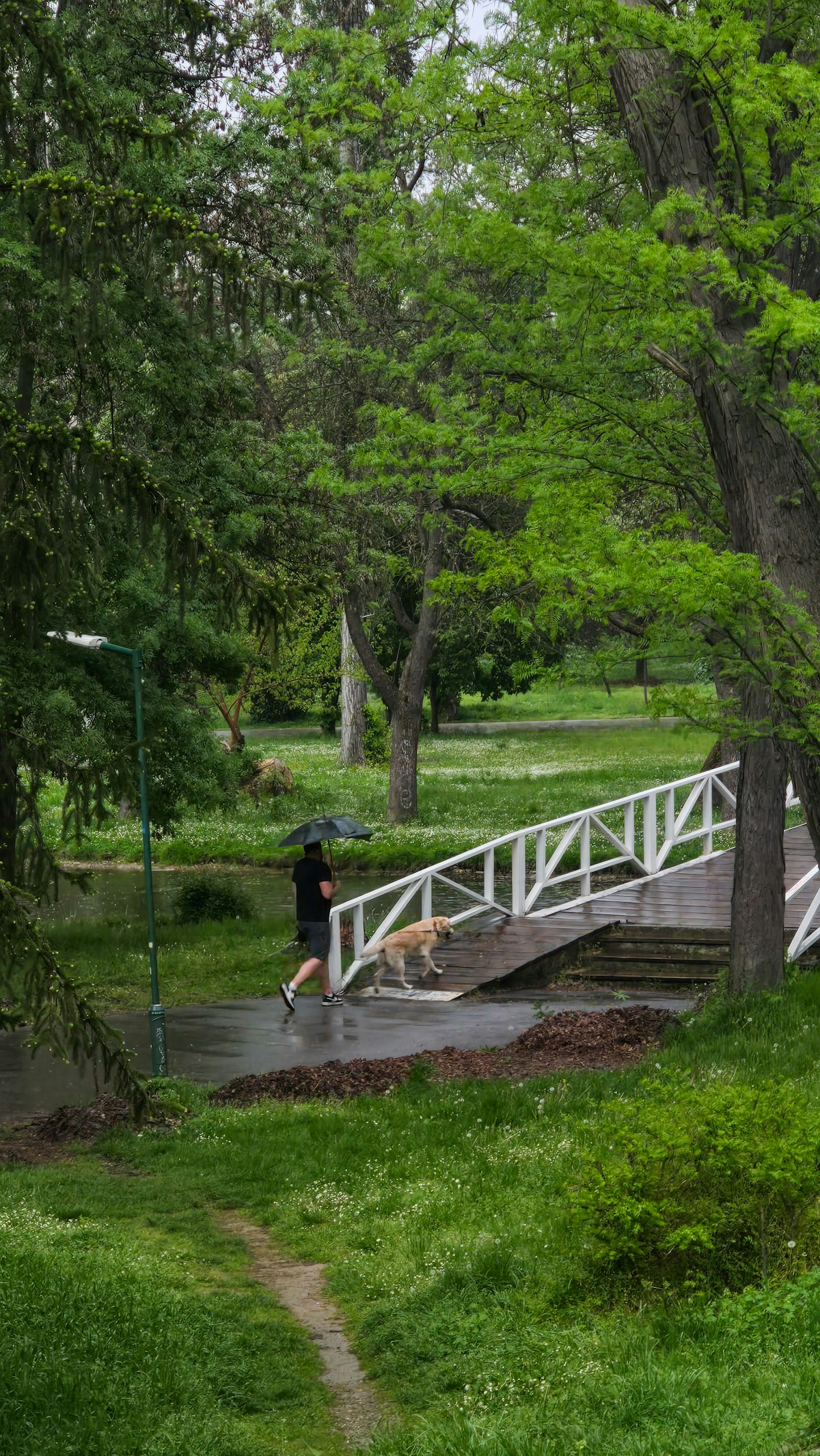
If the weather changes, decide what still needs to happen and which part can wait. A safe brief outing may be enough for the immediate need, with a longer activity later when conditions allow. An indoor activity can fit a work break when the dog has space and you can supervise it. Keep it short enough that you can put away the items and return to work without leaving something unsuitable out. The dog's schedule should have room for both movement and actual rest.
Leave a small buffer after a real walk. You may need to dry paws, put the lead away or give the dog a moment to drink before you close the work room door. If lunch regularly ends with you hurrying back to the desk, choose a shorter route or move the walk earlier. A plan that includes the few minutes after the outing is more likely to fit than one that measures only the time spent outside.
Build a backup plan for interruptions
Keep one routine for a day when a meeting unexpectedly runs across the usual break. Ask another household member in advance if they can cover that time, or arrange appropriate outside help if you know it will happen. A message that names the trip and timing is more useful than asking someone to 'check on the dog'. Give the helper the same instructions about equipment, doors and water that you follow. If a dog needs extra support on an outing, make sure the helper can provide it safely.
Do not rely on a long-lasting chew or toy as a substitute for every delayed break. Choose only activities suited to the dog and available supervision. Put away an item that breaks or keeps the dog busy in a way you cannot supervise during a call. A familiar resting place in a quieter room can work better than a new activity introduced in a rush. If the dog is restless because it needs to go out, prioritize arranging the outing.
Keep track of the actual reason a break did not work. You may have left the lead in a bag, booked meetings right over a usual outing or put the dog's bed beside the chair wheels. Adjust the part of the day that can change. A routine becomes easier when the next action is obvious. A reminder is useful if you need to stand up. It helps less if getting out still requires finding keys, closing several doors and moving things away from the dog.
Let the end of work be clear
Close out the day in a way the household can recognize. Put the laptop away if you usually do, then give the dog its ordinary next outing or meal. If you have evening work later, preserve a break between the two stretches. A change in room or a return to the dog's normal rest spot can help the day feel less like one long wait at the desk.
After a week, keep the breaks the dog actually uses and that you can offer reliably. The useful schedule may be one short outing before the first meeting, a real break at midday and another pause before the late afternoon. On days with different work, the times can move while the essential opportunities stay available. The dog's day has several parts of its own. The work calendar only needs to leave room for them.