Work out which part of the sofa the cat actually uses
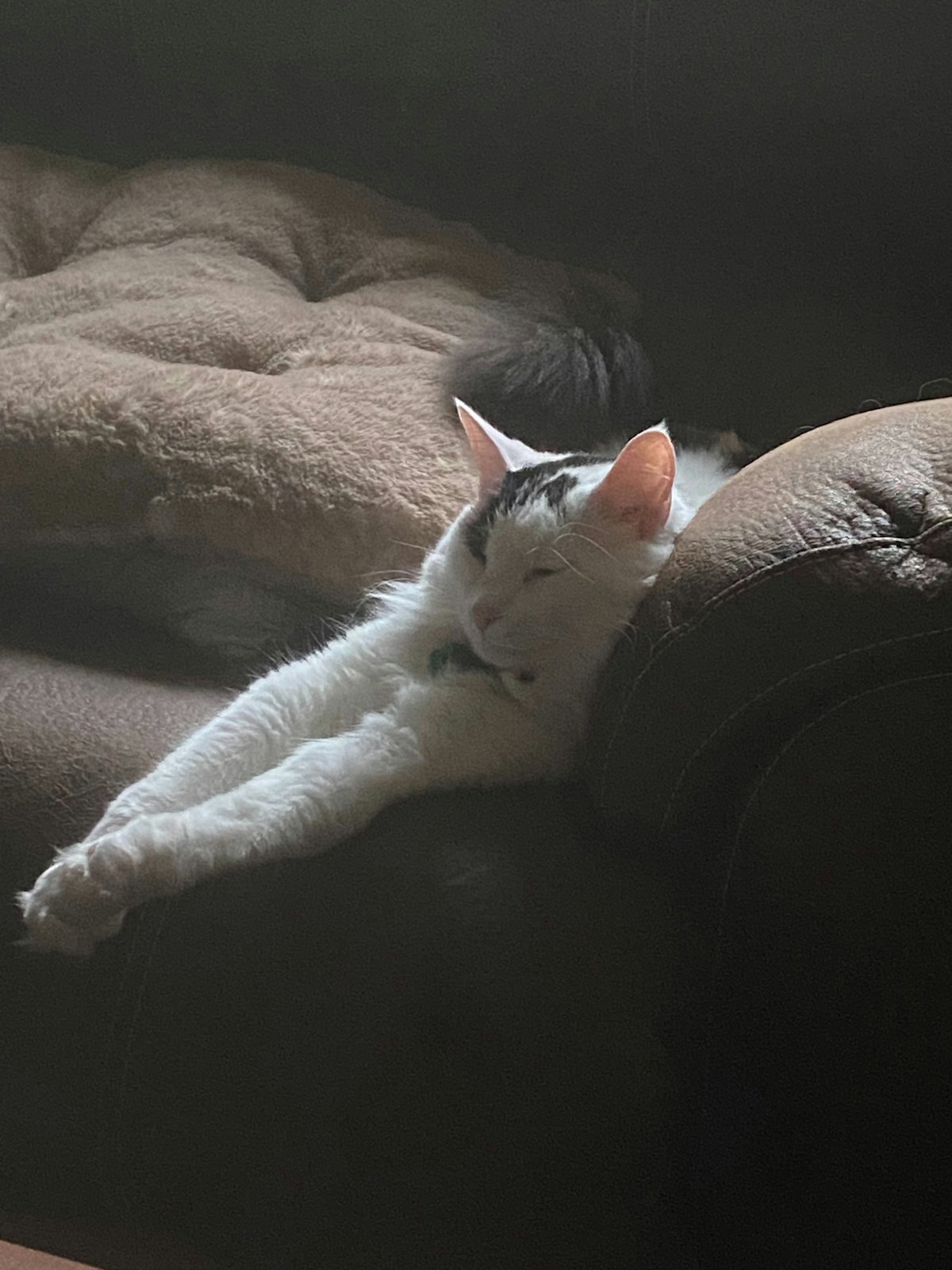
Look at the sofa before you move the cushions. A cat may sleep on the seat while everyone is away and tuck itself against the back when someone is sitting there. Another may use a spot on the arm only because it is the easiest place to reach from a nearby chair. If you want to cover the place the cat rests, start with that route. Notice where the cat jumps, where it turns around and which surfaces it crosses on the way to its usual spot. A cover can make a familiar route easier to use or introduce a wrinkle at the exact place the cat needs to land.
A good starting point is one seat or the end of a chaise. Spread a clean cloth you already own across the area and see what happens during an ordinary evening. Use a cloth that can lie flat and stay stable. Let the cat approach while the room is being used normally. Pay attention to whether it steps onto the material willingly and whether the material moves once it turns around. Take the cloth away if it keeps sliding off or bunching up beneath the cat's feet. You can test a different position before committing to a new cover.
Some cats use several parts of the sofa throughout the day. Choose the part that matters most to the household. You might cover the seat that needs frequent cleaning and leave the arm untouched. When a single cover has to stretch across all the cushions, people are more likely to pull at its edge while they sit down, and the cat loses the stable spot you hoped to give it. A smaller area that keeps its shape can be easier to live with.
Compare fabrics by what they do under a hand
Try pressing down and sliding your hand across a candidate fabric. A smooth cloth may be easy to remove hair from but can move sideways over a polished sofa. A thick cloth may stay in place and still make an uncomfortable ridge where a cushion curves. A closely woven, washable fabric is a reasonable starting point. Check whether it catches a fingernail when you run a hand lightly over it. Large open loops, long tassels and loose fringe are worth avoiding if the cat digs or kneads before resting.
Look at the back of the fabric, too. A lined cover may shift less on one kind of upholstery and more on another. Follow the care instructions for both the cover and the sofa, especially if a lining might affect the finish. If a new fabric has a strong smell, wash it according to its instructions and let it dry before offering it. A familiar clean cloth may be enough to find out whether the cat likes the location. You can choose a more durable one once you have seen it work.
Check the thickness in the places a person uses most. A folded blanket across the whole seat can change the angle of a cushion and make the neighboring seat uncomfortable. A thin cover can fit under an edge without making a hard lump. You do not need to secure it with pins, staples or elastic near the cat. A cover that stays put with its own weight and folds is simpler to remove for washing and safer to adjust around feet.
Get the corners to stay flat
On a sofa with removable cushions, try tucking a few inches of fabric below the back edge of one cushion. Keep the side nearest the cat's landing point smooth. Sit down on the next cushion and stand again to see whether the cloth creeps into the gap between the cushions. If it does, use a little more fabric behind the cushion or choose a position with less traffic. Pull the cover out to clean it whenever food, crumbs or hair collects inside the tuck.
On a sofa with fixed cushions, a rectangular cover can lie with its longer edge parallel to the back. A deep fold hanging off the front can be pulled loose by shoes and toes. Fold the front edge up and away from the approach so there is less fabric to catch. Check the underside after someone has sat there for a while. If the cloth steadily slides forward, a smaller cover with a more stable weave may be more useful than a large one that needs constant resetting.
Leave moving parts and mechanisms clear. If a seat reclines or a section folds out into a bed, look where the fabric goes as the furniture moves. Keep the cover clear of hinges, tracks and gaps, and check where the cat is before changing the furniture's position. A spot on a fixed part of the sofa can be easier to manage. You can also give the cat a nearby surface at the same general height if the only convenient sofa seat needs to open or fold often.
Make space for ordinary human use
A shared sofa needs a plan that works when someone comes in with a drink, leans back to read or wants to make room for a friend. Give the blanket a regular side if the layout allows it. The other seats can stay clear. When people know where the cloth belongs, they can straighten it with one hand rather than rolling it into a ball whenever they sit down. Keep a second place available if the cat leaves while the sofa is in use. A nearby chair or a low resting mat can give it another place to stay in the room.
A cover can help keep the place predictable, but it is still a seat people may need. Before moving the cat or lifting the blanket, check whether it is alert and has a clear way to leave. Let it step off rather than shaking the cover or suddenly drawing it toward you. In a household with children, ask them to avoid reaching across the cat or sitting close enough to block its way out. Make the cat's exit simpler by keeping the end of the sofa clear of bags, toys and footstools.
If someone visiting is sensitive to pet hair, remove and wash the cover as the fabric allows before they arrive. Clean the nearby upholstery in the way its manufacturer recommends. A cover can catch a great deal of loose hair in one place, but a person may still notice it elsewhere in the room. Keep the used cover apart from the clean blankets. If you need a quick alternative, put a fresh cloth on a spot the cat already uses so the household can free up the sofa without changing all of its options at once.
Keep washing and replacement easy
Decide where a cover can wait between the sofa and the wash. A basket beside clean throws may lead someone to pick it up again and put it on a different seat. A dedicated laundry spot makes it clear which pieces need attention. Shake or brush off loose hair if that is appropriate for the fabric, then wash it according to the label and dry it completely before folding or using it. Notice whether the cover shrinks or its corners curl after washing. A piece that worked when new can move differently after it has been washed several times.
Check beneath the cover when you take it off. The part of a sofa that looks protected can collect grit in seams or hide moisture that got through the cloth. Remove it to let both surfaces dry if something spills. Follow the sofa's cleaning instructions if you need to treat a mark. A cover with an ordinary care routine is easier to keep fresh than one you can only wash rarely, especially if people and cats use the room every day.
Replace the cover when the fabric becomes damaged or develops loose threads the cat can catch. If the cat seems to prefer the older one, compare the size, weight and position of the replacement. A thicker fold may raise the edge it has to step over. A narrower blanket can move when the cat stretches. Start by making the new cover lie the same way as the one it replaces, then see whether the cat approaches it during the normal part of the day.
Recheck the setup after a week
By the end of a week, notice where the cover is when the room is quiet and where it ends up when people have been using the sofa. If the cloth stays close to its starting position, the folds and size are probably doing what they need to. If it often ends up on the floor, make one change. Swap the orientation, reduce the hanging front edge or cover a different cushion. You will learn more from watching one change than from replacing every part of the setup at once.
Keep the arrangement if the cat settles there and can step off easily, someone else can sit down without disturbing it, and you can lift the cover for cleaning without moving furniture. In a smaller room, even one chair cushion can meet those conditions. In a larger one, separate resting spots may make more sense than a single cover over the entire sofa. The useful part is giving the cat a familiar surface while keeping the shared room easy for people to use.