Walk around to the other side of the glass
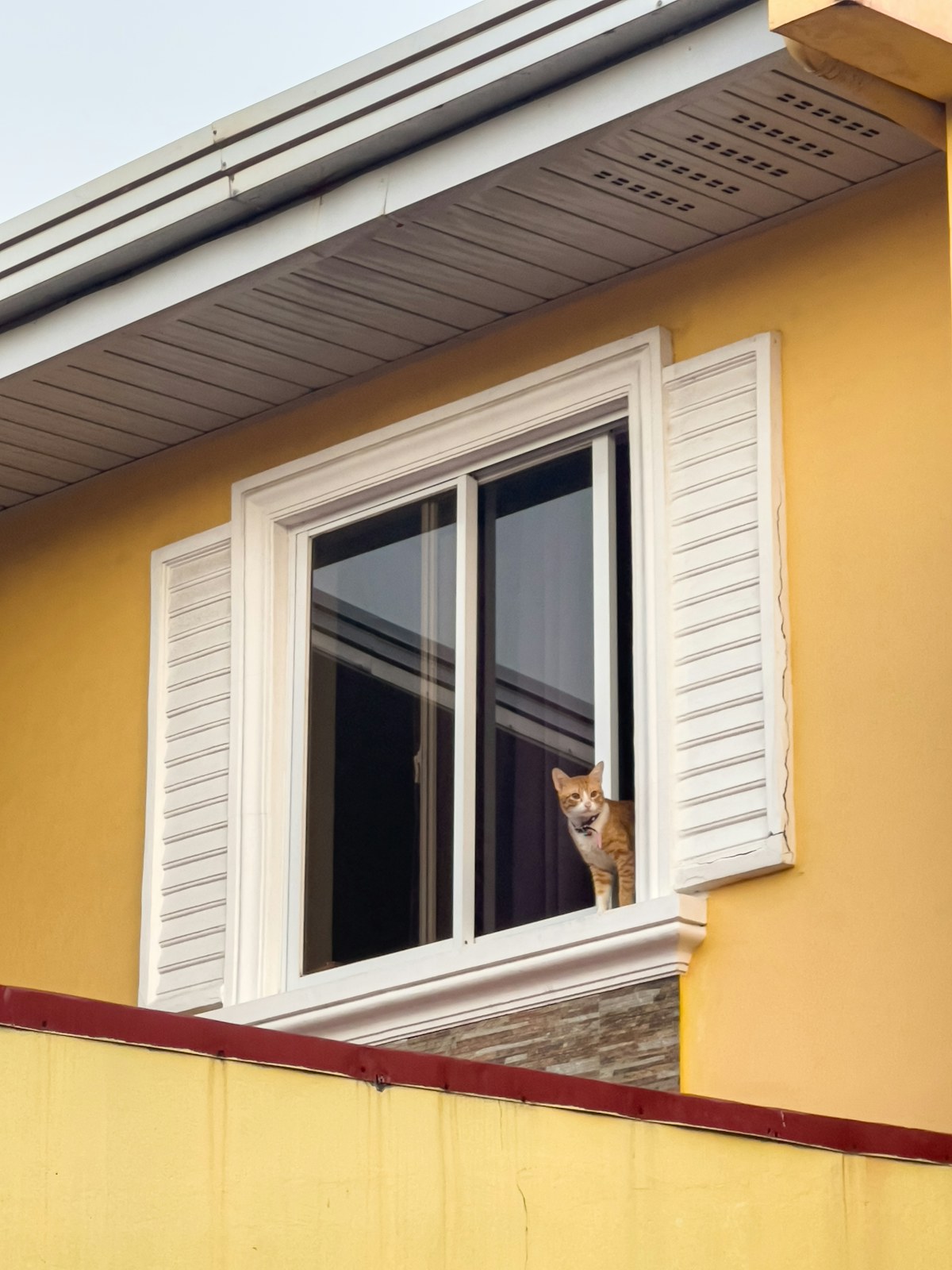
A cat looking out at a tree sees branches and movement. From the yard, the window may seem to contain a second tree. This is the part of a viewing window a person rarely checks. Walk outside when you can do so safely and look at the pane from a few angles. A pane that reflects a shrub from one position may show a view straight through the house from another. Either effect can make the glass difficult for an approaching bird to recognize.
Look again when the light changes. Reflections can appear stronger at one time of day than another. Watch for glass beside a corner, opposite another window or near branches that birds already use. A person inside may enjoy a clear view because the interior is darker than the yard. From the yard, the pane may still show a bright reflection even when you can see the whole garden from indoors. The outside view matters when you choose a collision treatment.
Note the exact part of the window you want to address. A large window can contain several separate panes, one of which reflects a whole section of sky. A sliding door can appear to open directly into another bright opening. Look for similar glass near the window the cat uses. If you see evidence of a collision or a regular path toward a particular pane, make that pane a priority. If access is difficult, take a photograph from a safe spot and share it with the person responsible for the building.
Choose a treatment birds can see from outside
The American Bird Conservancy recommends putting markings on the outside where reflections are less likely to obscure them. It also recommends placing the markings close together across the pane, with gaps no wider than two inches. A single bird silhouette can leave most of the apparent passage open. Look for a product or a method intended for bird collision prevention, and check how its marks are sized, spaced and applied. A closely spaced pattern is easier to plan before you begin than after you discover the last strip of glass has been left clear.
Exterior screens are another option where suitable for the window and building. They can reduce the reflected image, and a properly designed installation can provide a surface in front of the glass. Ask the installer or manufacturer how the screen attaches and whether it changes how the window operates. Keep any existing ventilation and emergency exit requirements in mind. A bird-collision screen and a barrier designed to keep a cat in are different products with different installation needs. Keep the window securely closed for the cat unless its opening is managed safely for that animal.
If you choose a tape, dot pattern or other exterior marking, plan to cover the relevant glass area rather than just the place the cat watches. A person may look through a small part of the pane while a bird sees a much wider reflection. Follow the treatment's directions, including any limits on cleaning products, glass coatings and temperatures during installation. Ask the building owner about changes to exterior glass or shared areas before arranging work. If you rent, a removable approach may be easier to propose.
Check the pattern in actual light
Where you have safe access, put a sample on a small area of the pane before committing to the full treatment. Inspect it from the outside and from several directions. A pale mark can be easy to see against dark reflected leaves and less clear against bright sky. A dark mark can look distinct at midday and get lost when the pane reflects shade. Follow evidence-based guidance or the instructions of a product designed for the purpose. Use a visible pattern that can be maintained across the glass.
Measure the pane from edge to edge before applying a pattern. Include portions that are easy to overlook beside a frame or below a handle. A section may appear shaded from inside but reflect a plant when viewed at an angle. If markings come on a strip with a spacing guide, check how strips meet. The gap from the last mark in one strip to the first mark in the next should fit the recommended spacing. Starting with a small sketch can prevent the spacing from stretching at the far edge.
If the exterior surface cannot be reached safely, do not try to lean out of a window or use an improvised platform. Talk with the building manager or a qualified installer about safe exterior options. The American Bird Conservancy notes that an inside treatment can be hidden by outdoor reflections and suggests checking its visibility from outside over the course of the day. An interior sample that disappears when the glass reflects sky should prompt a different solution. A product made for use behind glass may still need that visibility check.
If you are comparing two treatments, keep a note of which sample was visible in each kind of light. A phone photo can help you remember the contrast, although exposure settings may change how bright the reflection looks. Check with your eyes from the same safe point before choosing. A pattern that is easy to inspect and replace later may make more sense than one you cannot reliably see after it goes up.
Keep the cat’s routine and the window treatment independent
A cat may continue watching the window through a dot pattern or screen. Give it time to approach the changed view. If the cat prefers a nearby part of the window, leave that route clear as long as the resting surface stays stable and the glass remains secure. You can move a cushion a little farther back so the cat can see a broader part of the window without standing against it. There is no need to reopen a clear patch in the treatment for the cat's line of sight.
Look at the chair or other surface the cat uses after the exterior work. An installer may move an inside table to reach a latch, or the household may change the position of a blind. Put the furniture back only after checking that everything operates as intended. Keep the cat elsewhere while tools, backing material and scraps are on the floor. Remove small pieces before reopening the room. A shorter cleanup can prevent a cat from finding a strip of loose backing underneath the chair later.
Birds near a window can be interesting without being drawn into the glass. If you already keep a feeder or other attraction nearby, consult a reputable local bird organization about placement and collision prevention for your setting. Treat the pane itself where it remains a hazard. Keeping the cat indoors or in a suitable secure enclosure gives the household a way to enjoy the window without giving the cat access to wild birds outside.
Check adjacent panes and changes to the garden
A newly treated window can make the untreated pane beside it easier to notice. Stand at the edge of the yard and look along the wall. Check whether a second window reflects the same shrub or appears to continue a bright path through the house. Prioritize the obvious areas and plan a follow-up for the others. If the pane is shared by several households, explain the observation in simple terms, including what you can see from outside and which pane is involved.
Consider regular changes outside the glass. A tree with leaves in summer can create a different reflection after they fall. A new patio umbrella, bright piece of furniture or planter can change the contrast behind a pattern. None of these changes requires starting over. Check visibility after a major change and replace any parts that have peeled or faded. If a window is washed by someone else, ask them to follow the treatment's care instructions and tell you if anything comes away.
Night lighting is a separate issue from seeing daytime reflections. Turn off lights that are unnecessary when you can, and use curtains or blinds where they fit your normal routine. Keep needed light and visibility for safe household movement. The window still needs a treatment appropriate to daytime collision risk. A curtain used only in the evening cannot change the reflection that appears outside in bright morning light.
Watch the pane after installation
Look at the window once the treatment is in place and once again after the next cleaning or spell of rough weather. From the outside, check whether the pattern still runs across the whole area and whether any loose edges are visible. If you notice a possible collision afterward, record the date and which pane was involved. A local bird conservation organization can advise on next steps. If you find an injured bird, keep pets away and contact a licensed wildlife rehabilitator or local wildlife service for guidance.
Inside, notice whether the cat is still able to choose a quiet place to watch and walk away. The view may look a little different, and the people in the room may need to adjust their own seating or light. Those changes can be made without removing the outside pattern. The window can remain a familiar part of the room while the glass is easier for birds to see. The American Bird Conservancy's guide, “Frequently Asked Questions About Birds and Glass,” gives more detail on spacing, exterior treatments and how to evaluate a window from the yard.