Check the enclosure from floor to ceiling
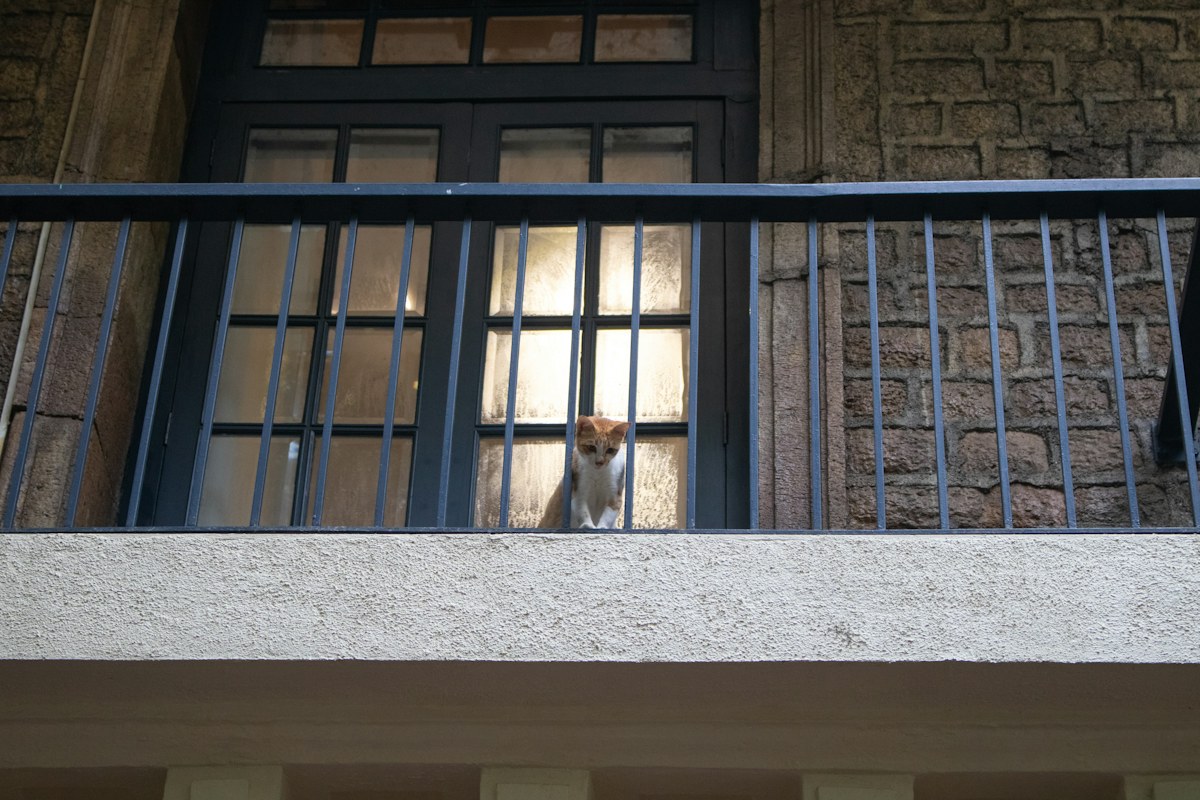
A balcony can look enclosed from inside a room. From the floor, there may be a gap at the edge of a panel. A chair can give a cat a route to the top of a rail. Something that keeps a large object from falling may leave room for a cat to put its head through. Keep the cat indoors while checking any proposed outdoor area. Use the balcony for the cat only if there is a secure enclosure suited to that purpose, correctly installed, and allowed by your building rules.
Look around the entire perimeter. Check where the panels meet the floor and walls, around drains, and beside the door. A screen designed for insects should not be assumed to contain a cat. A screen or enclosure can also become less secure after wind, repairs or the movement of furniture. Follow the product instructions and have an appropriate professional assess the installation if you are unsure. An open railing, a loose screen or a temporary piece of fabric is a reason to keep the cat inside.
Consider how you will use the space yourself. A person on the balcony should be able to turn toward the door without stepping over the cat or moving a piece of furniture close to the enclosure. Leave the normal walking route clear. If the only way to reach the door is past a row of planters or a folding table, clear the passage before giving the cat any access. A secure enclosure is easier to supervise when you can see all of it.
Make one shaded resting spot easy to reach
Check where shade lies at the time you plan to sit outside. The shadow from the building may cover the whole balcony early and leave only a narrow band by afternoon. A low, stable mat in shade gives the cat somewhere to stop without needing to jump. Set it on a surface you can clean and inspect. Keep enough room around the mat for the cat to walk away without passing a chair leg or plant container.
Use your hand to check the surface where the cat will step. An exposed floor can heat up in sunlight, and shade may be too narrow to offer a comfortable route. Avoid outdoor time when heat, cold, strong wind or other conditions make it hard to keep the cat comfortable. On a mild day, choose a brief visit with access back indoors. Keep fresh water available as part of the ordinary indoor routine and place a stable bowl in shade if the cat is staying outside with you.
A large object can block both light and your view. A box placed on its side may look like a useful shelter, but it can move in a breeze, catch rain or cover a corner of the enclosure that you need to see. Try a familiar low mat beside a solid wall or another steady surface within the shaded area first. If the cat prefers to watch from the open door rather than enter the balcony, the shaded mat can move just inside. It is useful only if the cat wants to approach it.
Keep plants and loose objects out of the route
Choose plant placements with the cat in mind. Verify that any plant within reach is appropriate around cats using a reliable veterinary or animal welfare resource. Keep potting supplies and plant treatments inaccessible, and avoid leaving standing water in saucers. A tall plant near the railing can give the cat a place to climb or hide an opening from view. A low stable planter away from the sides is easier to inspect. Remove plants you cannot identify or keep safely separated.
Check for things left after an ordinary outdoor task. A string used to support a plant, the loose end of a shade tie and a clip from a laundry rack can all be at paw level. Put them away before the cat enters. Look under chairs for dried leaves and broken parts. If it is windy enough to move light objects around the space, choose a different time. Balcony enrichment is easier to supervise when the interesting objects stay where you put them.
Avoid putting a tall chair, storage bench or climbing structure beside the barrier. Even within an enclosure, a higher surface can bring the cat close to a top edge, clip or opening that you cannot see from your seat. An arrangement for people to sit comfortably may need to move before the balcony is suitable for a cat. Keep any allowed resting surfaces steady and positioned where the cat can step down onto clear floor.
Let the first visit be uneventful
Open access only when you can stay with the cat and the enclosure is ready. Sit or stand to one side. Let the cat approach from indoors and choose whether to cross. A cat that pauses to smell the threshold has already found something to investigate. Give it time and keep the return route available. Avoid carrying it out and setting it in the middle of a space it has not explored. It is much easier for a cat to make a short visit when it can end it by stepping back inside.
If the cat comes out, watch the edges of the space. A visitor moving on a neighboring balcony, a door closing or wind moving a curtain may make the cat stop or retreat. Give it room to turn. Keep the first visit short enough that you can end it before the setting gets busy. After the cat comes in, close the door securely and leave the ordinary indoor places available. The next visit can happen at another quiet time.
Some cats will use the same small patch each time. Others walk the perimeter. If a cat keeps pressing against a corner, climbing the barrier or trying to reach an opening, end access and reassess the enclosure. Supervision is useful because it lets you see what the cat is choosing. It does not turn an unsuitable railing or screen into a safe enclosure. A window view from indoors can offer a similar chance to watch the surroundings when the balcony cannot be made secure.
Offer something simple to investigate
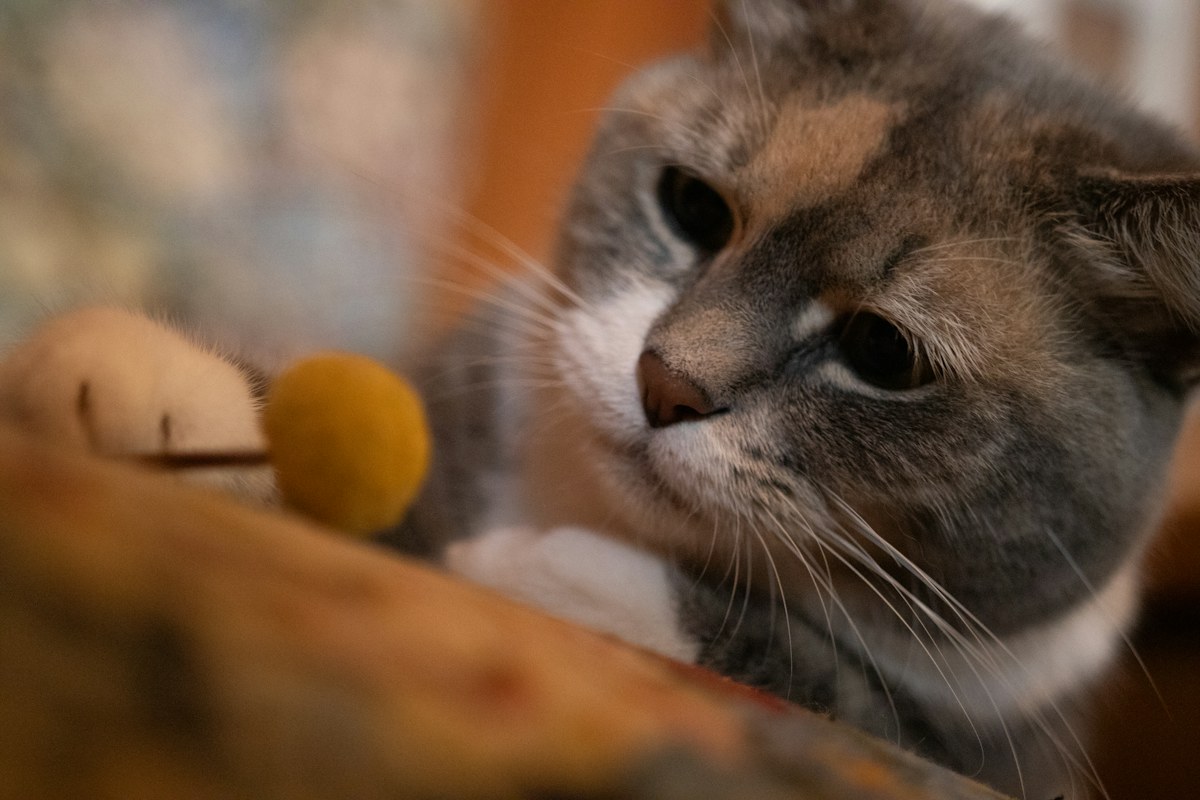
A familiar mat with a different smell from outdoors may be all the change a cat wants. You can bring a suitable washable toy out for a short supervised visit if it will stay in view. Set it down away from the barrier and let the cat decide whether to approach. Avoid games that send a toy toward the railing or ask the cat to jump near the edge. Take the toy back inside when the visit ends. A missing part is easier to notice when you have brought only one object outdoors.
Use your own movement to keep the experience slow. Sit where the cat can reach the door without going around your legs. If you need to stand, allow it time to get out of the way. Look at the door track and the small area immediately inside. A stable floor mat can make the change in surface easier to cross if it does not interfere with the door. Keep bags and shoes out of that spot.
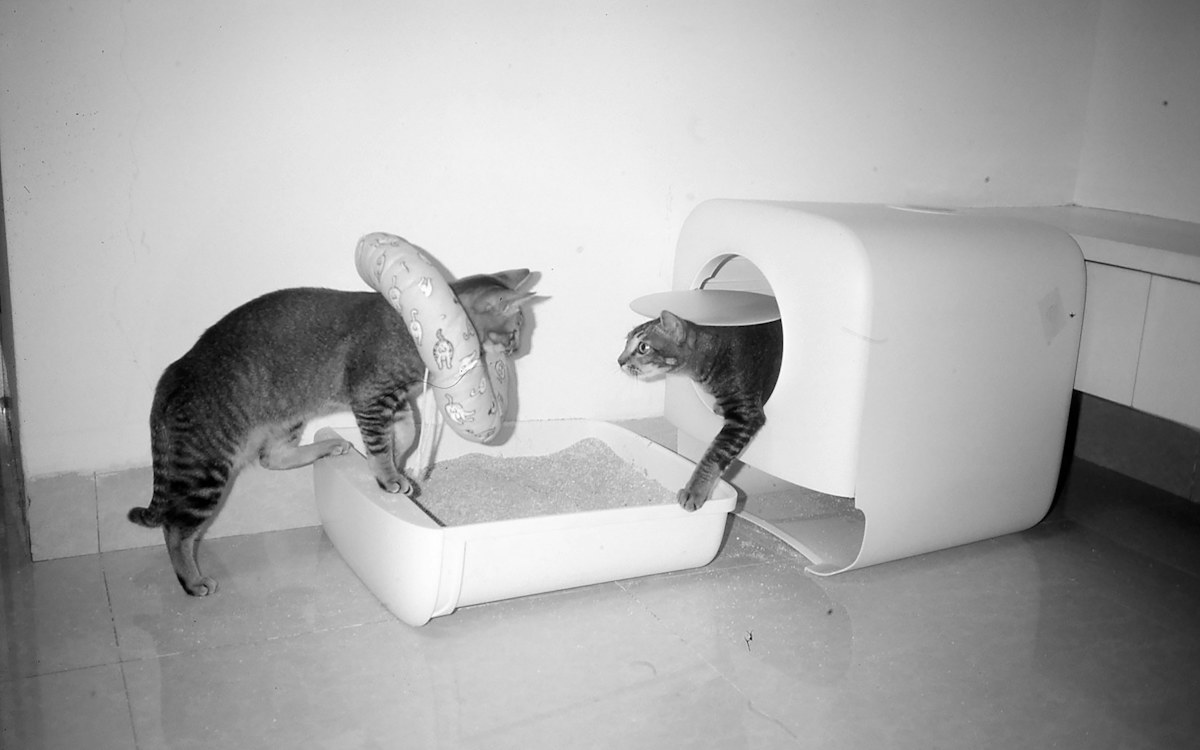
If you have more than one cat, find out whether they use the balcony together comfortably. The useful test is whether either can turn back without passing the other very closely. A cat seated at the entrance can effectively take the whole area away from a second cat. Offer short separate visits if the space is small or the cats differ in how cautiously they explore. The indoor cat should have access to its normal resting area while the other is outside with you.
A clean folded towel can give the cat a familiar surface without taking much space. Set it on a steady floor and remove it if a corner lifts in the wind. You can also place an empty, sturdy cardboard tray away from the railing and let the cat investigate it for the length of the visit. Take it inside afterward so it does not get damp and collapse. Keep any temporary object small enough that it cannot hide a gap or obstruct the way back indoors.
Check again before the next outing
After returning indoors, check whether anything shifted while the balcony was in use. A mat may have moved under the chair, a clip may have loosened, or shade may have left the resting spot sooner than you expected. Correct the detail before the next visit and keep the floor route simple. On days when the room has other uses, such as drying laundry or storing deliveries, leave the cat inside until the ordinary setup is available again.
Keep outdoor time optional. A cat might choose the balcony for a few minutes on a quiet morning and stay indoors on a day with nearby work or traffic. When the enclosure is secure, the weather is comfortable and the route inside stays clear, it can make those choices without being moved around. If it spends most of the visit at the threshold, give it a comfortable spot there or by a window instead. Watching from inside can be enough for that day.