Start with a room the cat already knows
A visit changes the parts of a home a cat can usually predict. Shoes arrive at the door, chairs move to different places, and a person the cat has never met walks down a familiar hall. Even a short visit can make a quiet room feel busy if people use it to store their coats. Choose one place where those changes will be small. A bedroom the cat uses most afternoons can work well if visitors have no reason to go inside. An unfamiliar room at the far end of the house may be quiet but give the cat less to recognize.
Check what the room is like with the door closed. Stand quietly and listen for a washing machine through the wall, a doorbell nearby, or conversation that comes through a vent. If the room warms up in afternoon sun, find out how you keep it comfortable while a visit is in progress. Check window latches and any screens before leaving the cat there. A room that needs to be aired can be aired earlier, while you are able to manage where the cat goes.
If the room normally contains something a guest might need, move it before the visit. Put the extra chairs in the hall, take out your coats, and leave spare towels somewhere else. A closed door is easier to respect when no one has to keep opening it. If the only quiet room is also the bathroom guests need, use a different room or arrange to direct visitors to another bathroom. Plan around the places people will actually use.
Arrange a hiding spot with a clear approach
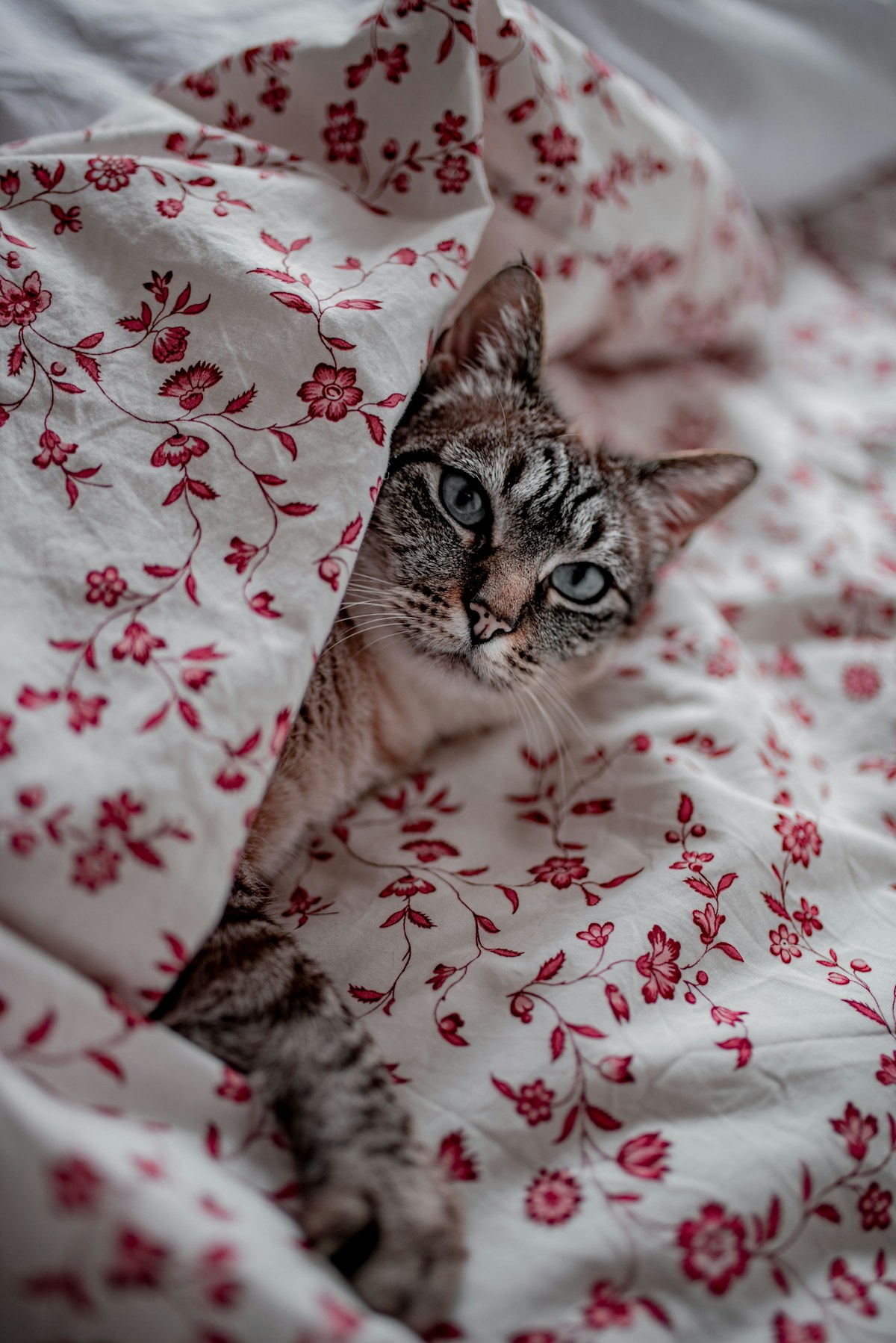
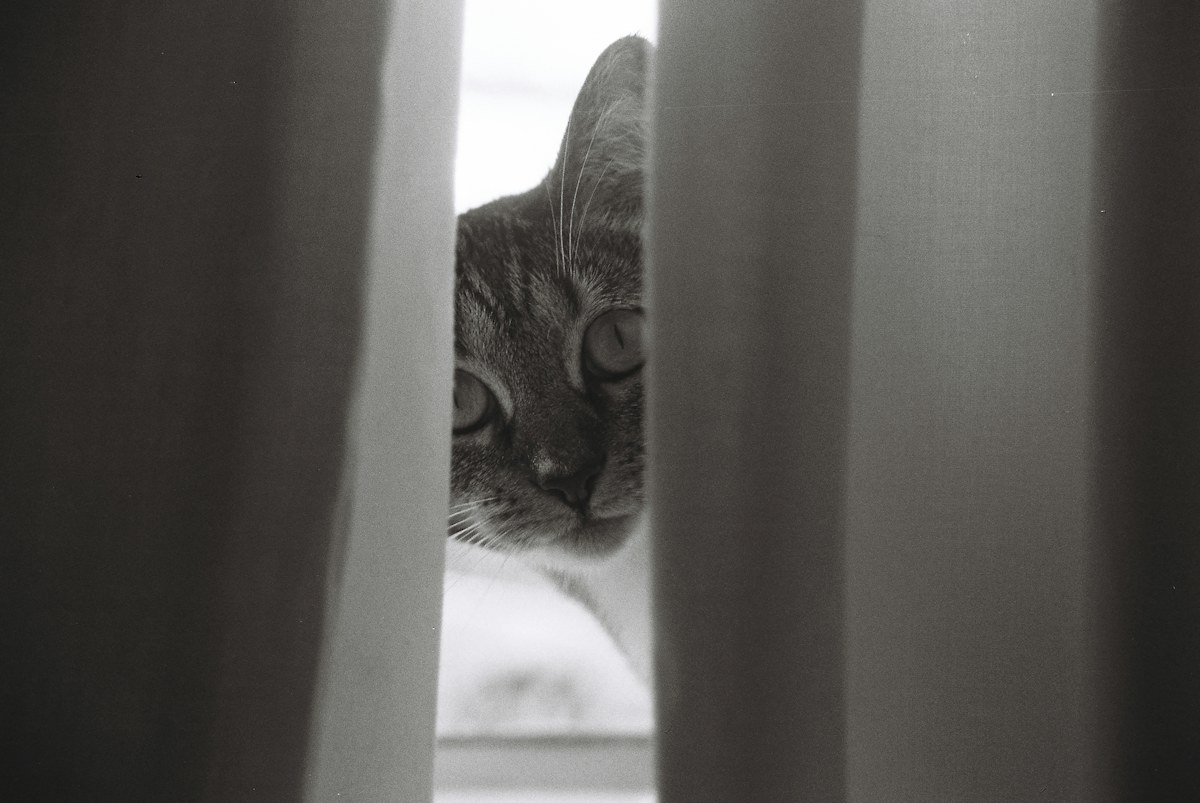
A cat may settle on a usual blanket, in a familiar open bed, or in a covered space where it can watch the room. Keep the retreat near the spot it already chooses when the house is quiet. If the cat normally rests by the curtains, leave room to get there without crossing a row of bags. Secure dangling blind cords out of reach and check that the hiding place stays clear of heaters, loose fabric and moving furniture. If you need to close a gap behind a dresser, do it when the cat is elsewhere and has another place to go.
Make the approach wide enough that the cat can walk in, turn and come out without catching on anything. A bed pushed between a trunk and a wall can leave the cat peering straight into furniture. Turn the opening slightly toward the room, or place it beside a familiar chair. Avoid blocking a regular retreat simply because you want the cat to use the new arrangement. Leaving the familiar option available often helps you learn which spot works.
If you set up a second resting place, put it in a different part of the room. One place can be sheltered and another can be open and near the cat's usual walking route. A cat that likes looking out from a chair may prefer the chair while the house is calm and retreat farther into the room when the visit gets louder. Leave both available. The door can separate the room from the visit while the choices inside the room remain up to the cat.
Lay out the things the cat may need
Put fresh water somewhere the cat can reach without crossing the doorway. A bowl on a stable, washable surface away from the hiding place gives a cat room to drink and then leave. If the visit overlaps a regular meal, use a familiar dish and follow the usual timing where possible. Leave enough distance between water, food and litter that one activity does not force the cat through another. In a small room, place the litter tray as far from the food and water as the layout allows.
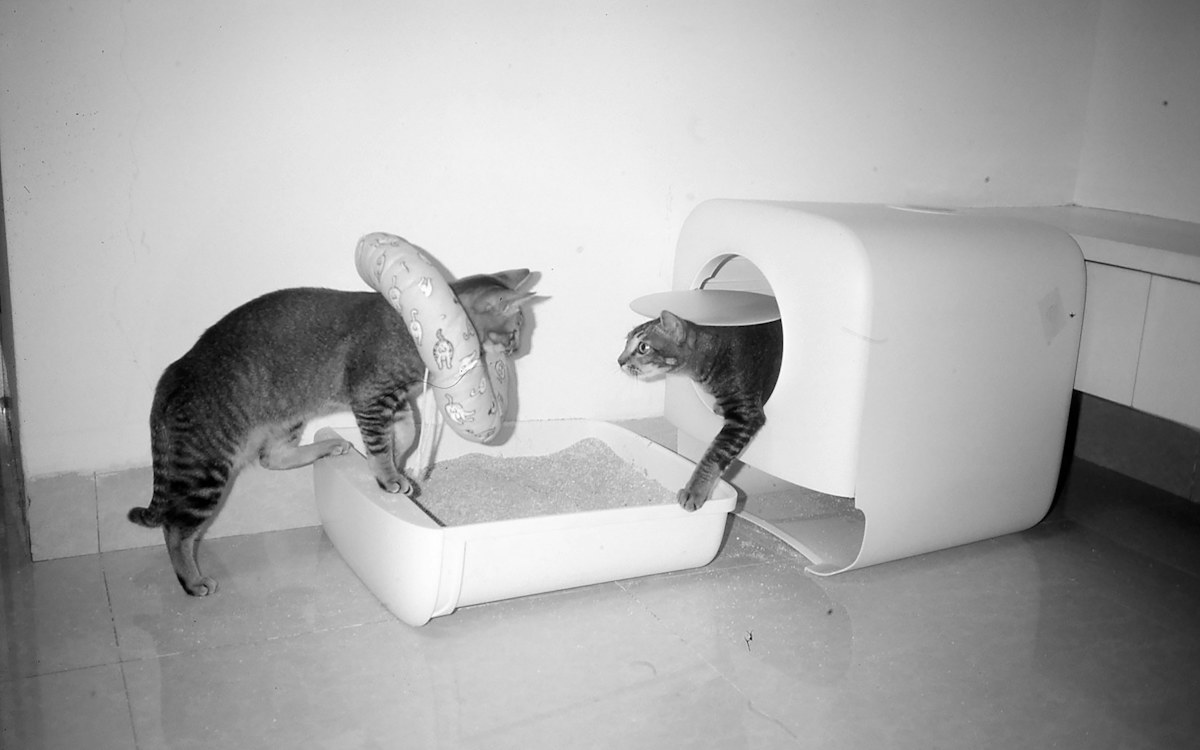
For a brief visit, think about what the cat can access while the door is closed. A cat whose usual litter tray is outside that door may need a tray in the room. Use a familiar type and check that the route to it stays clear. Place the tray somewhere the cat can walk away from without turning into a pile of belongings. Scoop before the visit. A closed room makes it easier for odors to build up, and a tray tucked too far behind a chair can become inconvenient to check.
Leave a usual blanket or mat if the cat already uses one in the room. The day of a visit is a poor time to swap its bedding and move all the furniture. Keep the lamp or curtains as they normally are at that time, within what is safe and comfortable. If you plan to leave a toy, choose one that is appropriate for unsupervised use. Put away long strings and small loose parts before closing the door.
Decide when to start the quiet part of the visit
If the cat often settles in the room on its own, prepare it well before anyone arrives. Put the bowls and tray in their places, then let the cat go about its day. If you need the door closed to prevent an escape through an outside door, arrange that before visitors start arriving. Give the cat time to enter without being pursued. A familiar cue or an ordinary meal can help when that is already part of the cat's routine. Keep the movement through the room slow enough that it still feels familiar.
When a second person is home, it can help to give one person responsibility for answering the outside door and the other for checking on the cat. The person checking can be sure the inside door is closed before the visitor enters. If you live alone, finish arranging the room before guests come and ask them to wait outside briefly if you still need time. Once the visit has started, leave the room out of the traffic pattern.
A discreet note on the door can be useful for guests who may forget which room is private. A message such as 'Please keep this door closed' does the job. Explain to children that the cat has a quiet spot and will stay there until the adults decide it is safe to open the door. A closed door can help a sociable cat as well, particularly when several people are arriving in waves or an outside door will stay open while things are carried in.
Check in without turning the room into another gathering place
During a longer visit, step in alone to check water, litter and temperature, then let the cat choose whether to come over. Open the door only after making sure visitors are clear of the hall and exterior doors are secure. Move slowly and give the cat space on the floor. Some cats will stay in a covered bed as you check the room. A quiet visual check can be enough. Pulling a cover back or reaching into a hiding place adds another interruption.
If the cat waits at the door, look first at what is happening outside it. A visit with one calm person and a closed front door may leave room for the cat to explore voluntarily. A celebration with a loud room, children running and frequent trips outside is different. The first objective is keeping the cat safely inside with access to its essentials. Wait until the floor is clear and the house is calm before offering access. If you let the cat out, keep the quiet room available so it can return without being followed.
Pay attention to visitors who want to meet the cat. You can ask them to stay seated and give it space if it comes out. Ask them to leave a clear path rather than waiting in the doorway. Skip introductions if the cat stays hidden or returns to the room. It may be comfortable enough to observe from a distance. If the cat is distressed by a visit, reduce activity around its room and seek individualized advice from a veterinarian or qualified behavior professional when you need help.
Let the room return to normal after people leave
Wait until the last outside door is closed and bags, chairs or boxes are out of the route. Open the quiet room door and step aside. Leave the cat free to stay inside or come out when it chooses. Some cats walk through the house immediately. Others come out after the sound of cars and voices has faded. Allow time to inspect the room without picking the cat up to show it that the visit is over.
For a visit that lasts several days, check when the shared rooms are at their quietest. The cat may be able to use more of the home before breakfast or while guests are out. Agree on who will close outside doors and keep the cat's room available even during these quieter periods. An overnight guest can leave a suitcase or laundry bag in their own room with the door closed, so the cat has fewer new objects to navigate on a familiar route.
Check what worked before putting everything away. If the cat spent most of the visit behind the chair, leave that route open next time. If the tray was awkward to reach or the bowl sat too close to the door, change one of those details while the household is quiet. Keep familiar objects in place where they are useful on an ordinary day. A quiet room is easiest to set up for the next visit when it already forms part of how the cat uses the home.